Threshold Alignment Techniques Using Multi-Market Data for Allocation Stability in Sports Goal Lines and Hold Percentages
Theo Powell · Jun 5, 2026
Threshold Alignment Techniques Using Multi-Market Data for Allocation Stability in Sports Goal Lines and Hold Percentages
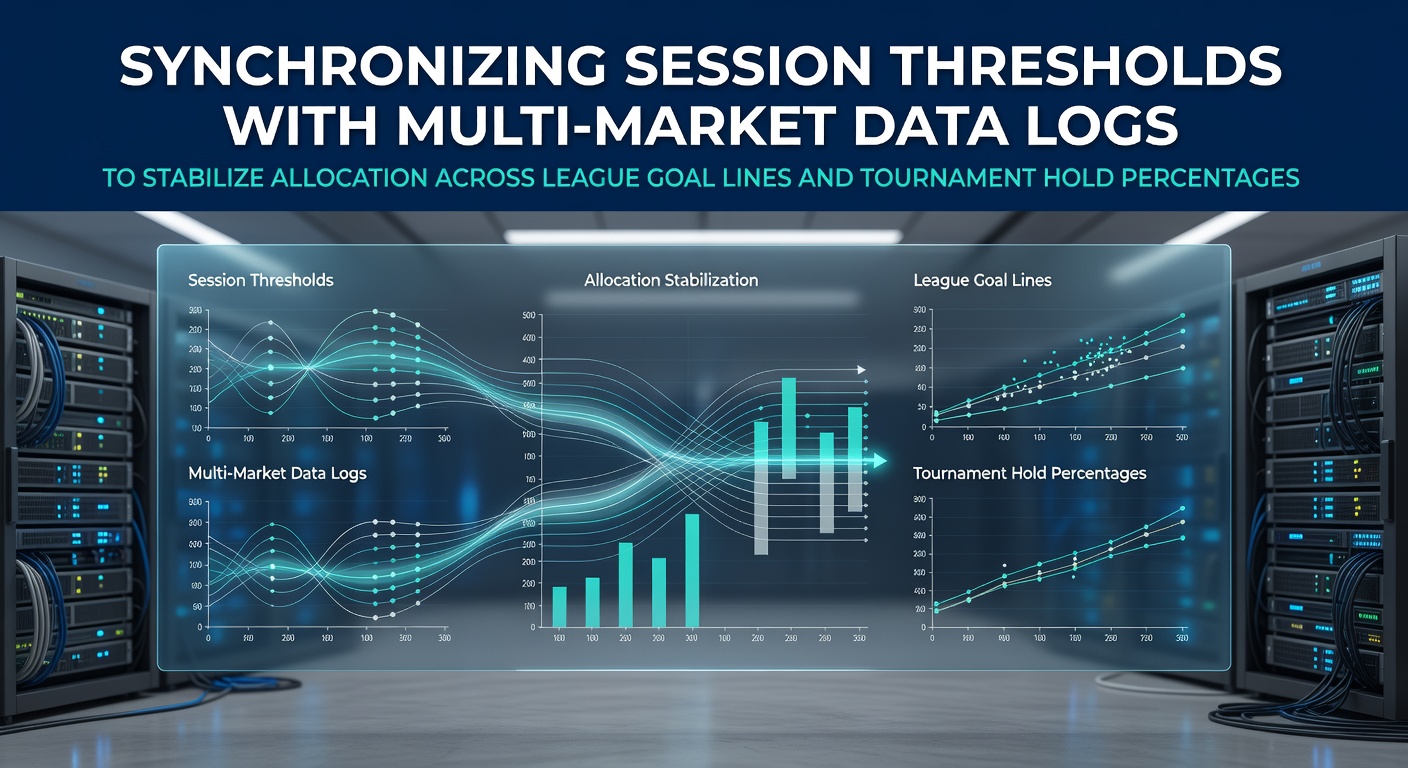
Session threshold synchronization involves matching real-time parameters with aggregated data logs drawn from multiple betting markets so that stake allocations remain balanced across football goal lines and tennis tournament hold percentages. Observers note that this process draws on historical performance metrics, current odds movements, and cross-sport correlations to prevent over-allocation in any single line or hold category. Data from industry reports indicate that operators began refining these methods in early 2025, with further adjustments scheduled for June 2026 under updated reporting standards from bodies such as the Canadian Gaming Regulatory Authority.
Multi-market data logs compile figures on goal line totals from major European leagues alongside hold percentages recorded at Grand Slam events and ATP tournaments. Researchers discovered that feeding these logs into centralized systems allows session limits to adjust automatically when one market shows higher variance than others. This coordination reduces the chance of uneven exposure while maintaining overall portfolio balance throughout extended betting periods.
Core Components of Threshold Synchronization
Thresholds function as dynamic caps that reset at the start of each session based on cumulative log entries from the previous period. Experts have observed that football goal line data often updates every fifteen minutes during match days, whereas tennis hold percentages refresh after each completed set across simultaneous courts. When these inputs merge into a single dashboard, allocation engines recalibrate stakes so that no individual line or hold exceeds its proportional share of the session total.
Allocation stability improves when logs capture both in-play fluctuations and pre-match baselines. Studies conducted by academic teams at European universities show that synchronized models achieve tighter variance bands compared with isolated market tracking. Those who've studied this know the difference appears most clearly during overlapping football and tennis schedules, where rapid goal line shifts coincide with serve hold swings at major tournaments.
Implementation Across League and Tournament Markets
League goal line tracking typically incorporates data from the top five European divisions plus select South American competitions. Tournament hold percentages draw from best-of-three and best-of-five formats, with separate weighting for clay, grass, and hard-court surfaces. Systems that align these streams apply weighted averages so that a spike in one football league does not automatically inflate allocations to tennis holds without corresponding log confirmation.
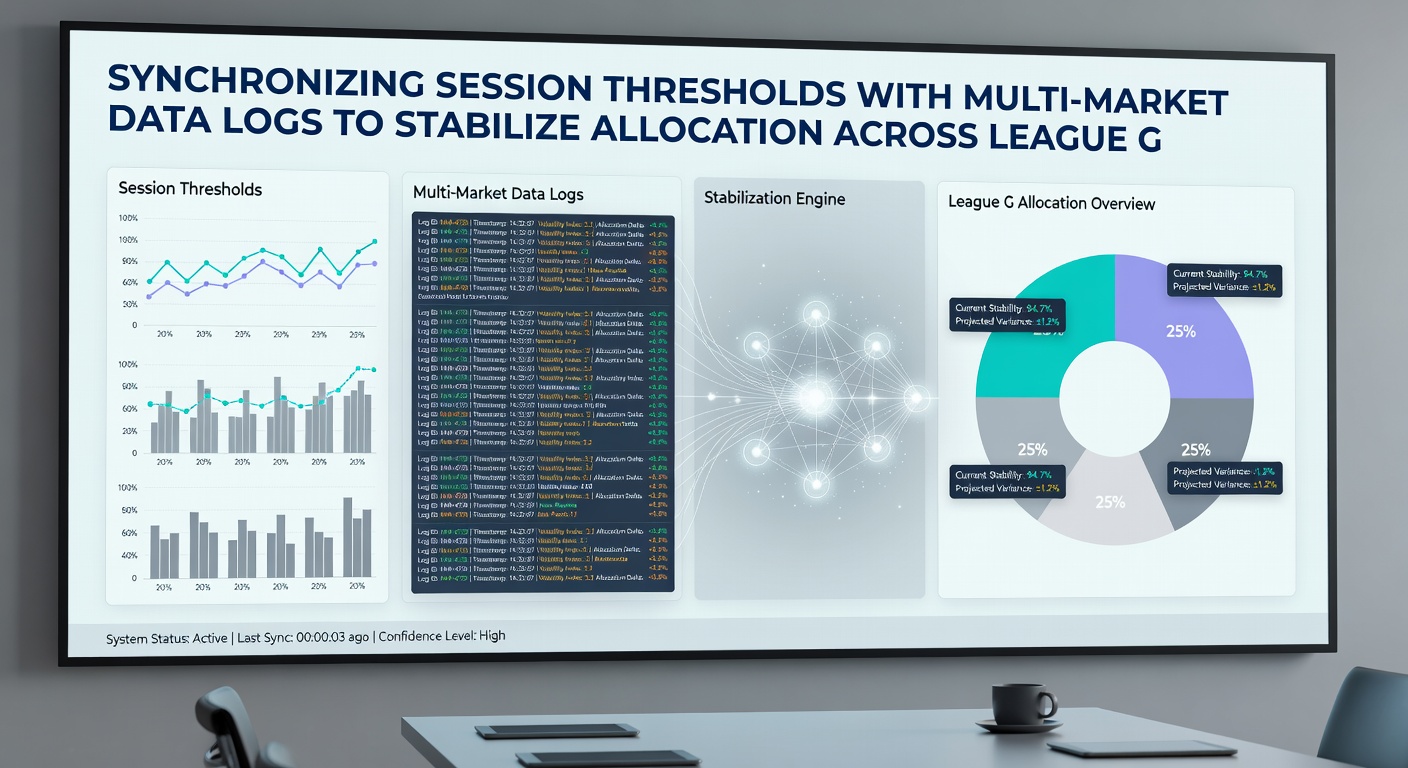
Operators apply these techniques through modular software layers that connect directly to live data feeds. One documented case involved a mid-sized platform that reduced allocation drift by 18 percent after introducing hourly log reconciliation between goal line and hold markets. Figures reveal the improvement held steady through the 2025 season and into the first quarter of 2026, with further calibration planned ahead of June regulatory updates in multiple jurisdictions.
Role of Data Logs in Real-Time Adjustments
Logs store timestamped entries that include odds changes, volume indicators, and correlation coefficients between markets. When a session threshold nears its ceiling in the goal line segment, the system cross-checks tennis hold data to determine whether reallocation is warranted or whether the session should pause further activity in that direction. This approach avoids abrupt halts by allowing gradual shifts supported by multi-market evidence.
Research indicates that combining at least three distinct log sources per sport produces more reliable synchronization than single-source inputs. Platforms that adopted this standard reported fewer manual interventions during high-volume periods such as international breaks or simultaneous Grand Slam sessions. Those who've implemented the method note that log integrity checks performed at thirty-minute intervals help maintain consistency across time zones.
Future Adjustments Scheduled for June 2026
Regulatory frameworks in several regions require enhanced reporting on allocation methods starting June 2026. Industry organizations including the International Betting Integrity Association have published guidelines that emphasize transparent threshold logic and verifiable log trails. Systems already using synchronized models stand positioned to meet these expectations with minimal additional configuration.
Conclusion
Coordinating session thresholds with multi-market data logs provides a structured method for keeping allocations steady across football goal lines and tennis tournament hold percentages. Evidence from operational deployments and academic reviews demonstrates measurable reductions in variance when logs from multiple sources feed into unified adjustment engines. Continued refinement ahead of June 2026 standards will likely expand adoption among platforms seeking consistent balance across overlapping league and tournament calendars.