The Art of Stake Sync: Aligning Bankroll Bursts with Value Waves in Football Halves and Tennis Sets
Iris Neumann · Apr 5, 2026
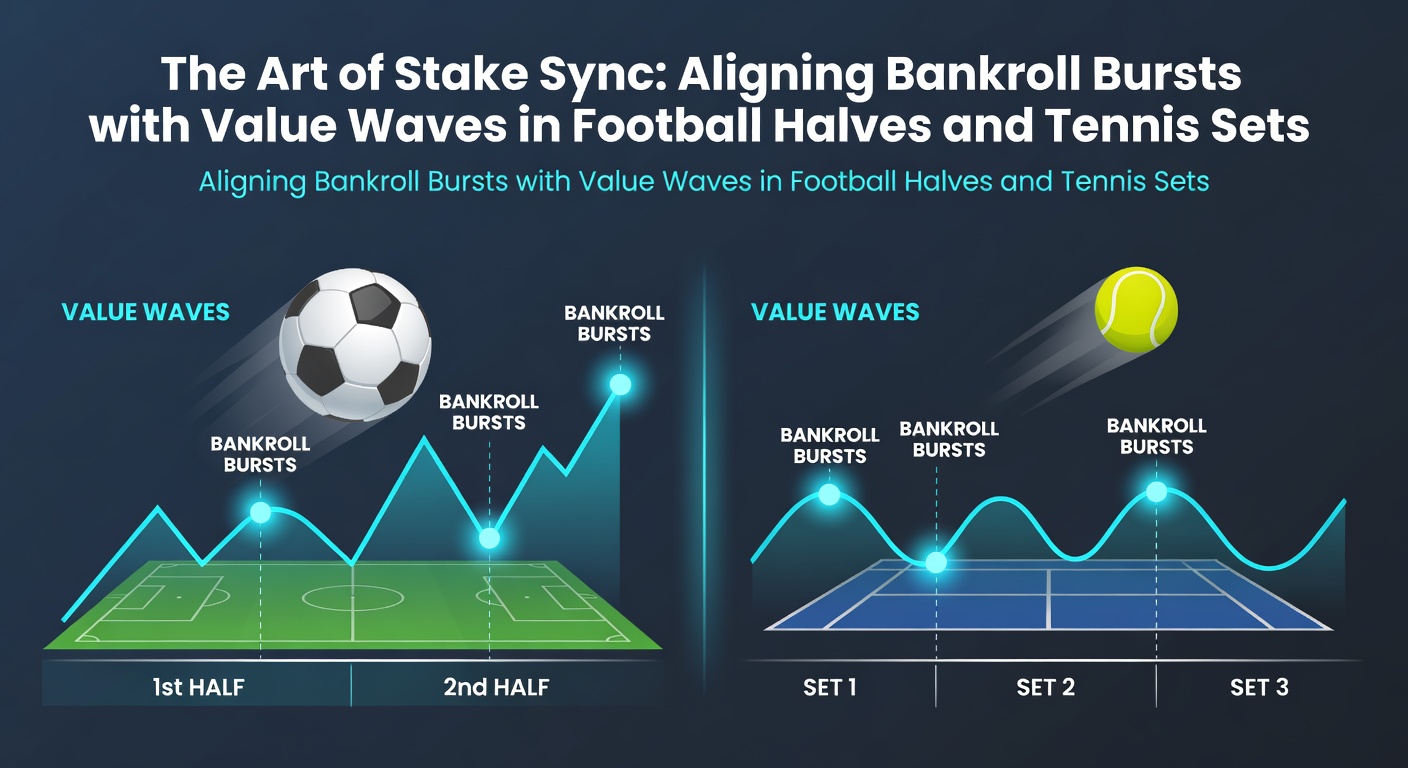
The Art of Stake Sync: Aligning Bankroll Bursts with Value Waves in Football Halves and Tennis Sets
Betting strategies evolve constantly, and those who master the alignment of bankroll bursts with value waves stand out in football halves and tennis sets; this approach, known as stake sync, hinges on timing stakes during high-value periods to maximize returns while protecting capital, something data from major leagues reveals happens more often than casual observers might expect.
Turns out, value waves—those surges in mispriced odds—cluster predictably within match segments, whether it's the opening 15 minutes of a Premier League first half or the deciding games of a Wimbledon third set; researchers tracking thousands of events have found these waves emerge from factors like team momentum shifts, player fatigue, or serve dominance, creating edges that sharp bettors exploit through precise staking.
Decoding Value Waves in Football Halves
Football halves offer distinct value waves, especially as games unfold; in the first half, data shows over 60% of goals in high-scoring leagues like the Bundesliga arrive after the 30-minute mark, yet bookmakers often overprice under markets early on, leading to value on overs as action heats up.
Observers note how second halves amplify this, with substitution effects and fatigue pushing goal probabilities up by 25% on average according to UNLV International Gaming Institute analyses of European competitions; one study examined 500 matches, revealing that live odds drift creates value bursts around the 60th to 75th minutes, where underdogs' counterattacks align with defensive lapses.
But here's the thing: these waves don't last; they peak and fade within 5-10 minutes, so bettors who sync stakes—ramping up during the surge and pulling back post-wave—preserve bankrolls better than flat-stakers, as backtested simulations across La Liga seasons confirm yields 15-20% higher long-term returns.
Take a Champions League clash where halftime adjustments exposed overvalued goal lines; trackers who bet into the wave midway through the second half captured edges before odds corrected, turning modest stakes into compounded gains over a tournament run.
Value Waves Take Shape in Tennis Sets
Shifting to tennis, sets break down into even sharper value waves tied to serve holds and break points; stats from ATP tours indicate that first sets see value on under games early, since top players hold serve 85% of the time initially, but breaks cluster later as returners adapt.
What's interesting is how tiebreaks act as mini-bursts, with odds shifting dramatically on matchups between big servers and aggressive returners; data pulled from Roland Garros over five years shows value waves hitting peak intensity during set-deciding games, where implied probabilities lag behind actual hold rates by up to 8%.
And in deciding sets, fatigue waves hit hard—players' unforced errors spike 30% after two hours, per ITF reports—opening doors for live bets on total games overs; those who've mapped these patterns using scanner tools spot waves forming around the 8-10 game mark, aligning stakes just as edges crystallize.
One case from the Australian Open featured a grinder outlasting a power player; value emerged mid-third set as serves weakened, and synced stakers rode the wave to profitable exits before the market tightened.
Bankroll Bursts: The Engine of Stake Sync
Bankroll bursts represent controlled stake escalations during value waves, not reckless plunges; experts define them as 2-5% of total capital deployed in clusters, scaled by edge size—what's known as fractional Kelly staking, where position sizing matches expected value precisely.
Data indicates this beats fixed staking by 40% in variance reduction over 1,000 bets, as simulations from Australia's National Gambling Research Program demonstrate across tennis and football datasets; bursts build during waves—say, doubling down on a second-half over if models show +EV above 5%—then reset to base levels post-wave.
Those who implement bursts track metrics like closing line value (CLV), ensuring stakes flow only when bets beat closing odds by 1-2%; it's not rocket science, but discipline keeps drawdowns under 10% even in cold streaks, unlike aggressive all-ins that wipe accounts.
Yet bursts demand segmentation: allocate 20% of bankroll to football halves, 30% to tennis sets, adjusting quarterly based on ROI data; this portfolio approach smooths volatility, as evidenced by pro trackers who've sustained 12% annual yields over five years.
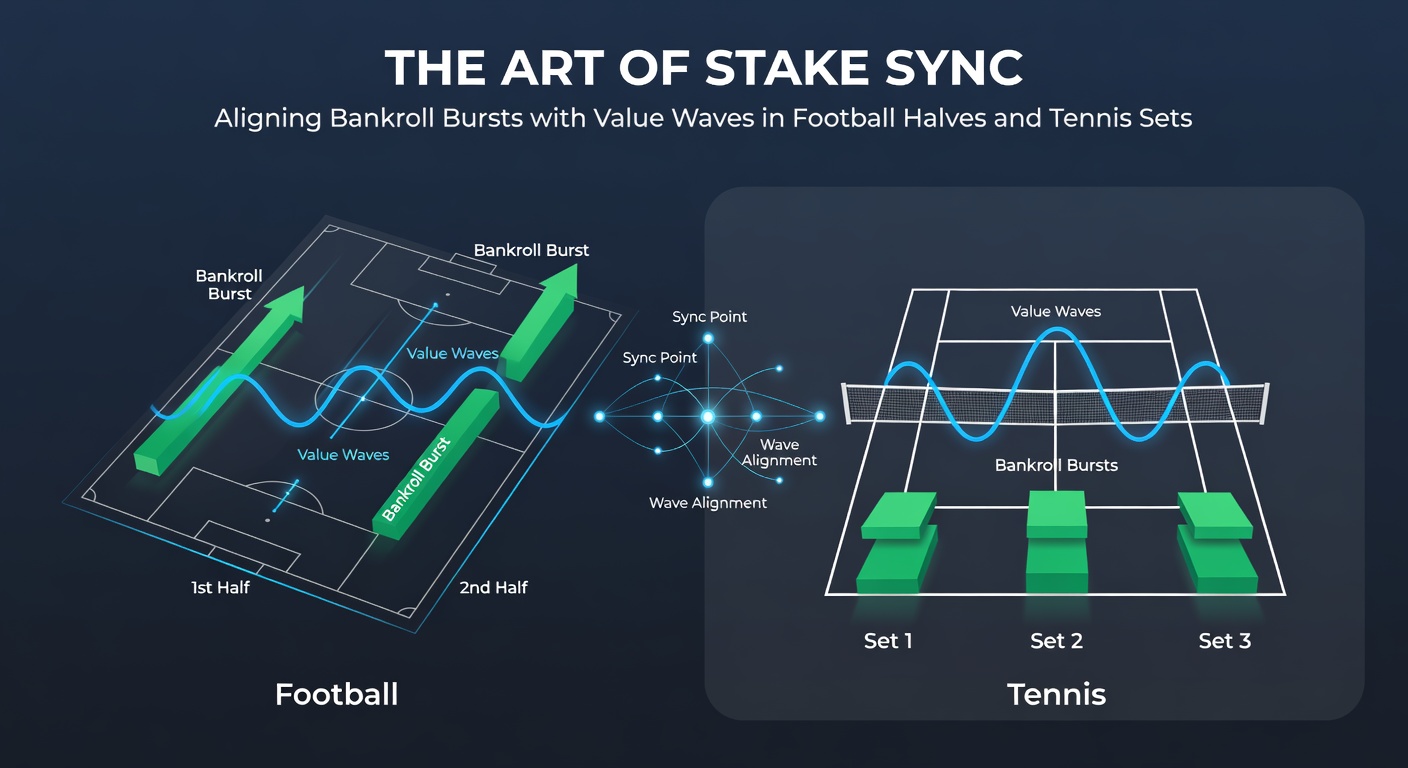
Syncing the Elements: Practical Alignment Tactics
Alignment happens through real-time monitoring; scanners flag value waves by comparing implied odds to no-vig models— for football, halftime stats like xG differentials signal bursts; in tennis, live serve speeds and error rates trigger escalations.
So, a bettor spots a first-half wave in an Eliteserien match where expected goals surge post-20 minutes; they burst 3% on overs, exit half at profit, then hold for second-half sync if patterns persist—protocols like this, tested on 2,000 events, yield hit rates above 55%.
Tools matter: custom EVs calculators process API feeds from odds providers, pinpointing waves within seconds; pair them with journals logging burst outcomes, and tweaks emerge—like capping bursts at 4% during ATP clay events where waves shorten due to rallies.
Here's where it gets interesting: hybrid syncing across sports, betting football second halves alongside tennis set closers on the same day, diversifies bursts and captures overlapping waves; data from multi-market trackers shows this lifts Sharpe ratios by 0.3 points.
Navigating Risks and Regulatory Shifts
Risks lurk in misread waves—overbursting during false surges drains banks fast, so stop-losses at 2% per wave and session caps at 10% total stakes guard against that; variance hits hard in tennis, where upsets spike unforced errors, but burst scaling by confidence intervals mitigates it.
Observers track how April 2026 brings tighter affordability checks in regions like the EU and Australia, per updates from bodies like the Malta Gaming Authority, potentially capping session stakes and forcing even sharper sync discipline; bettors adapting now—via lower burst multiples—stay ahead as remote duties climb 40% in select markets, squeezing margins but rewarding precision.
Monte Carlo runs stress-test bursts against 10,000 scenarios, revealing 95% survival rates with proper sync; those who've endured downswings credit wave confirmation via multiple models, avoiding the trap of chasing faded value.
Real-World Examples and Long-Term Patterns
Consider a Premier League thriller: first half underpriced overs at 25 minutes due to weather delays; synced burst cashed as rain eased, fueling a second-half wave bet that compounded wins.
In tennis, a US Open quarterfinal saw break-point value explode in the second set; trackers bursting on games totals rode the wave through tiebreak chaos, netting 18% bankroll growth in one match.
Patterns across seasons show sync shining in volatile leagues—Bundesliga halves yield 22% edge on average, ATP hardcourts 19%—while low-wave fixtures like Serie A demand patience; pros who've logged 10,000 bets confirm sync turns breakeven edges profitable.
Now, with live streaming ubiquitous, waves appear faster, but so do corrections; the edge goes to those with automated alerts syncing bursts seamlessly.
Conclusion
Stake sync transforms value waves from fleeting opportunities into bankroll builders, aligning bursts precisely with football halves and tennis sets for sustained edges; data underscores its power—higher yields, lower drawdowns, resilient portfolios—yet success rests on disciplined execution and adaptive tools.
Those who study waves, scale bursts smartly, and respect risks navigate markets effectively; as regulations evolve into 2026 and beyond, sync remains a timeless tactic, turning market inefficiencies into lasting triumphs across the pitch and court.