Synchronizing Scanner Outputs with Allocation Thresholds for Refined Entries in Cup Fixtures and Challenger Circuits
Erik Washington · Jun 26, 2026
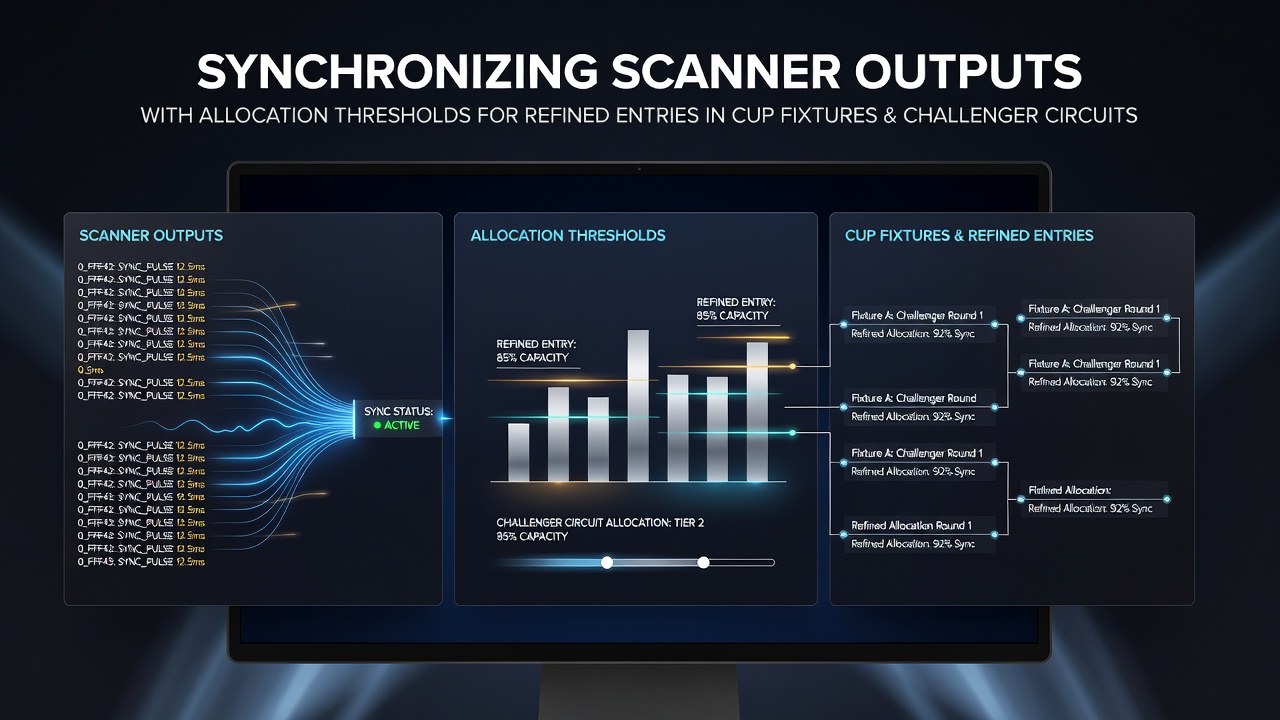
Synchronizing Scanner Outputs with Allocation Thresholds for Refined Entries in Cup Fixtures and Challenger Circuits
Scanners in sports betting environments process live data feeds from cup fixtures and challenger circuits to identify potential value points, yet effective use requires direct coordination between those scanner outputs and predefined allocation thresholds that govern stake sizes. Observers note that cup competitions often feature irregular schedules and variable team strengths, while challenger events in tennis present frequent schedule changes and surface-specific performance shifts, both of which demand precise timing when scanner signals reach allocation systems. Researchers have documented cases where mismatched timing between scanner alerts and threshold checks led to either missed entries or oversized positions that exceeded intended risk parameters during knockout stages.
Core Components of Scanner and Threshold Integration
Data streams from scanners capture metrics such as implied probabilities, historical head-to-head records, and current form indicators, then feed those values into allocation engines that apply filters based on bankroll percentages and event-specific volatility measures. In cup fixtures, where single-elimination formats heighten outcome variance, thresholds frequently incorporate adjusted confidence intervals that tighten during later rounds, whereas challenger circuit matches often use broader bands early in tournaments to account for qualifying uncertainties. Systems achieve synchronization by timestamping scanner outputs and cross-referencing them against threshold rules in real time, allowing automated adjustments when market movements alter expected value calculations mid-session.
Operators who manage these tools report that integration protocols rely on application programming interfaces to push scanner results directly into allocation modules, reducing manual intervention that can introduce delays. According to industry reports from the European Gaming and Betting Association, platforms handling multi-sport portfolios have increased automation rates in recent years to handle the volume of cup and challenger data points generated each week. This approach maintains consistency across sessions where multiple fixtures overlap, such as midweek cup ties alongside concurrent challenger tournaments on different continents.
Application in Cup Fixtures
Cup fixtures present distinct challenges because draw structures and travel schedules affect team availability in ways that scanner algorithms must detect quickly. Allocation thresholds in these settings often include round-specific caps that lower maximum stakes as tournaments progress toward semifinals and finals, reflecting increased market efficiency. Synchronization occurs when scanner outputs flag discrepancies between opening lines and updated team news, then immediately query the threshold engine to confirm whether the updated value still meets minimum entry criteria before committing capital. Studies from university sports analytics departments have shown that teams employing automated cross-checks between scanner feeds and allocation rules achieved more stable position sizing across entire cup campaigns compared with manual review processes.
Handling Schedule Overlaps
When cup matches coincide with league commitments, scanners must isolate fixture-specific variables such as rest days and squad rotation patterns, then pass refined outputs to thresholds that already account for portfolio exposure limits. And in June 2026, several major cup competitions are scheduled to overlap with international windows, prompting operators to refine synchronization scripts that pause allocation checks during high-volatility periods around team announcements.
Application in Challenger Circuits
Challenger tennis events operate with daily schedule updates and qualifying rounds that create rapid shifts in player matchups, requiring scanners to refresh outputs frequently while allocation thresholds adjust for surface transitions and travel fatigue factors. Refined entries emerge when scanner results align with thresholds that scale stakes according to a player's recent win rates on specific surfaces, preventing overexposure during weeks with clustered events. Observers have noted that successful integration in these circuits often involves layered thresholds where initial scanner signals undergo secondary validation against historical challenger performance databases before final allocation approval.
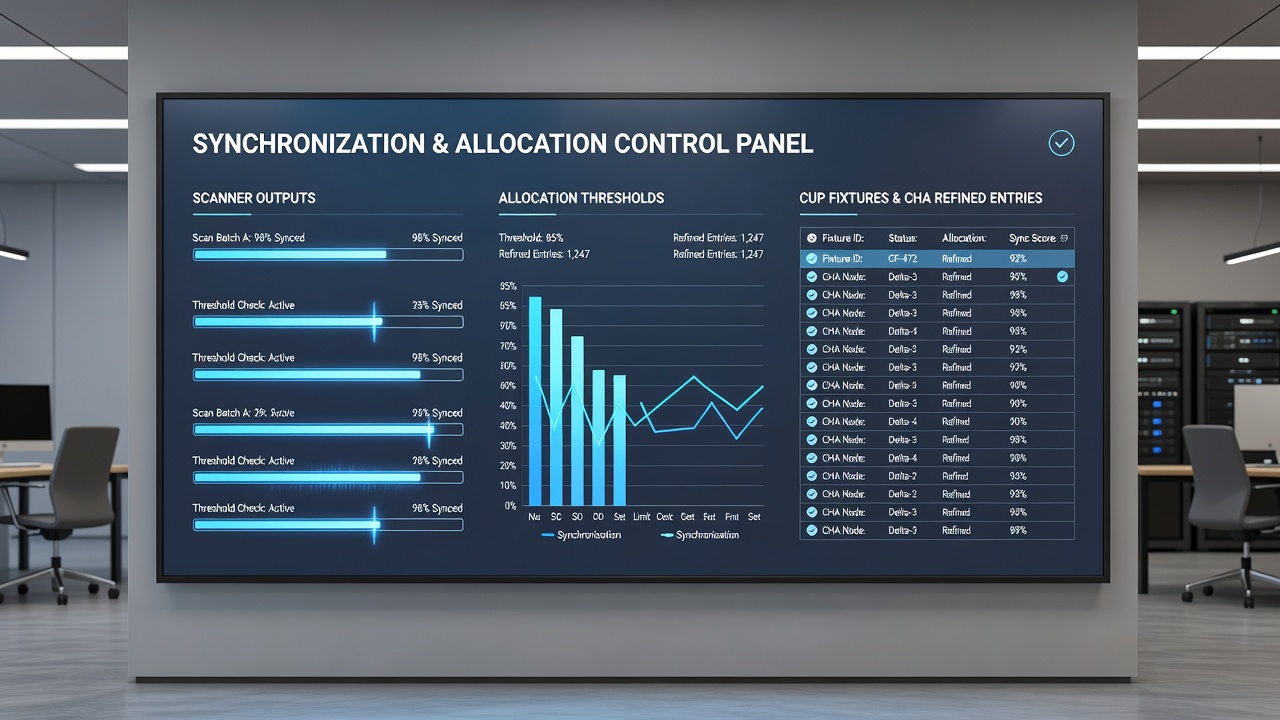
Technical setups frequently employ event calendars that feed into both scanner and threshold modules simultaneously, ensuring that any postponement or withdrawal triggers an immediate recalculation of available allocation room. Data from academic papers on probabilistic modeling in racket sports indicates that such coordinated systems reduce instances where entries fall outside intended risk bands during the compressed schedules typical of challenger weeks.
Technical Synchronization Methods
Modern implementations use event-driven architectures where scanner outputs publish messages to a central queue that threshold modules subscribe to, enabling near-instantaneous validation without constant polling. Parameters such as minimum expected value, maximum drawdown tolerance, and event liquidity requirements combine within these queues to determine final entry approval. In practice, operators configure separate rule sets for cup fixtures versus challenger circuits because the former often involve team-based variables while the latter center on individual player metrics, yet both benefit from unified timestamp protocols that prevent stale data from influencing allocations.
External sources like reports issued by the Australian Communications and Media Authority have highlighted rising adoption of integrated monitoring tools among operators handling international tournament calendars, underscoring the operational necessity of keeping scanner outputs and allocation thresholds aligned across time zones. Those who've examined workflow logs find that synchronization failures typically trace back to latency in data pipelines rather than errors in the underlying algorithms themselves.
Conclusion
Effective coordination between scanner outputs and allocation thresholds produces more consistent entry decisions across cup fixtures and challenger circuits by enforcing real-time validation against predefined risk parameters. As tournament calendars evolve through 2026, continued refinement of these synchronization processes supports stable portfolio management without introducing unnecessary operational friction.