Strategic Integration of Performance Tracking and Adaptive Caps in Handling Schedule Shifts for Football Across Europe and Tennis Grand Slams
Yves Hughes · May 22, 2026

Strategic Integration of Performance Tracking and Adaptive Caps in Handling Schedule Shifts for Football Across Europe and Tennis Grand Slams
Teams and analysts in professional sports have long relied on detailed performance logs to monitor player output and match outcomes yet aligning these records with dynamic limit settings allows better navigation through unpredictable schedule changes that occur during packed European football calendars and the compressed timelines of Grand Slam tennis events and observers note that such synchronization helps maintain consistent data flow even when fixtures shift due to weather delays or broadcast adjustments.
Core Elements of Performance Log Alignment
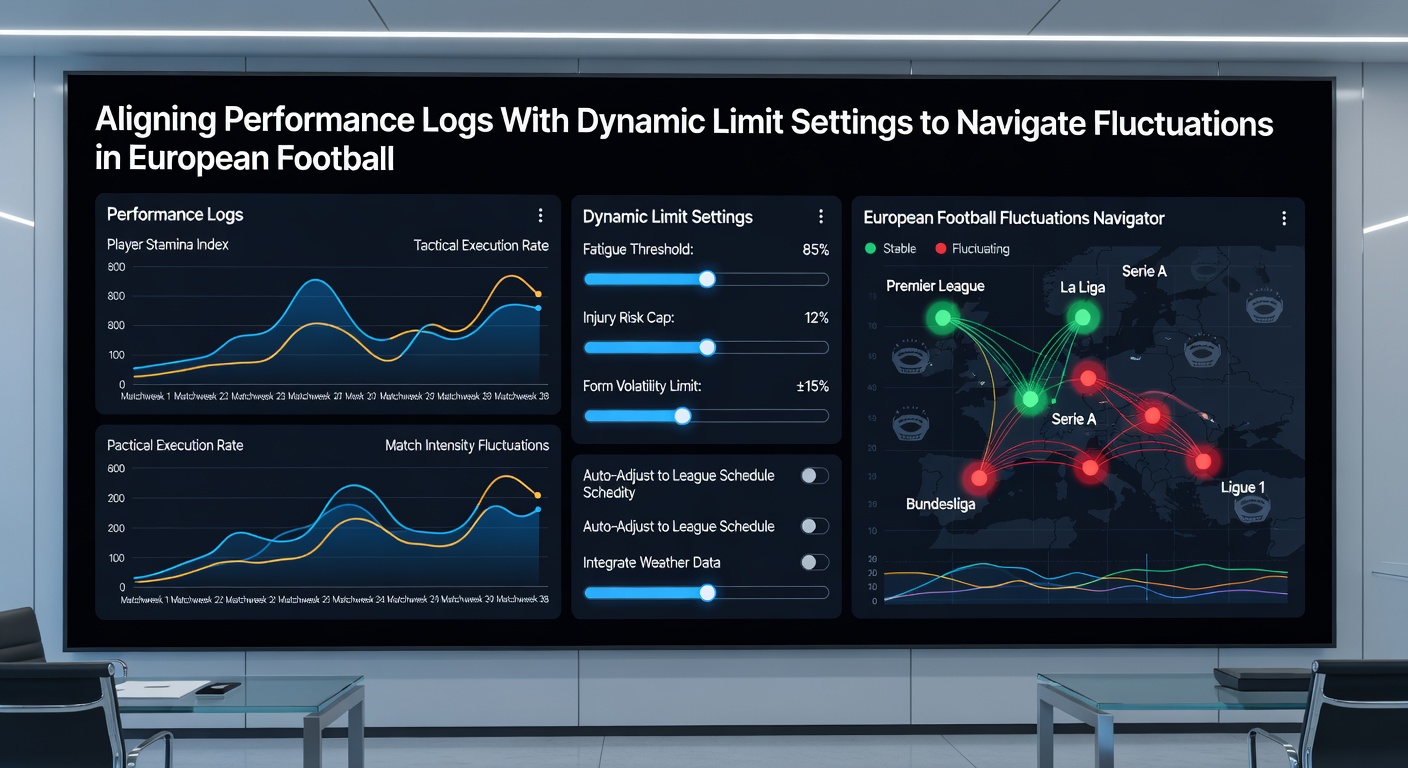
Performance logs compile metrics such as distance covered in matches, shot accuracy rates and recovery times between games while dynamic limit settings adjust thresholds for acceptable variance based on real-time conditions and researchers from sports science institutions have shown that integrating these two components reduces errors in forecasting player availability during periods of fixture congestion like those seen in the latter stages of domestic leagues. Data from multiple tracking platforms indicates that clubs which update their logs daily with flexible caps on workload indicators experience fewer unexpected absences compared to those using static benchmarks and this approach proves especially useful when European competitions overlap with international breaks.
Addressing Fluctuations in European Football Fixtures
European football schedules often feature rapid turnarounds between league matches and continental ties which creates fluctuations in team performance patterns that static analysis methods struggle to capture yet dynamic limit settings allow analysts to recalibrate expectations for metrics like sprint frequency or pass completion when travel distances increase or pitch conditions vary and figures from league databases reveal that May periods historically include high volumes of postponed or rescheduled games due to external factors. In 2026 for instance ongoing campaigns across major leagues demonstrate continued emphasis on midweek fixtures that force teams to rotate squads more aggressively and those who study these patterns report that aligned logging systems help identify emerging fatigue trends before they affect results.
Application to Grand Slam Encounters
Grand Slam tennis tournaments present their own set of variables including extended match durations and surface transitions that influence player endurance and serve efficiency while performance logs track elements such as rally lengths and error rates under varying conditions and dynamic limit settings enable adjustments for best-of-five set formats versus shorter encounters. Studies conducted at academic centers focused on racket sports highlight how players and coaches who synchronize these tools gain clearer insights into recovery needs between rounds and during May 2026 the clay court swing leading into major events continues to underscore the value of adaptive thresholds for monitoring physical output across multiple surfaces.
Analysts observe that combining logs from previous encounters with current limit adjustments creates a feedback loop that refines predictions for tiebreak scenarios or late-set performance drops and evidence from tournament archives shows measurable improvements in strategic planning when these methods are applied consistently across both individual and team sports.
Practical Implementation Steps
Implementation begins with establishing baseline data points from historical fixtures followed by the introduction of variable caps that respond to external inputs such as travel fatigue or weather reports and industry reports from organizations like the International Tennis Federation point to successful cases where federations adopted similar frameworks to support athlete welfare. Teams then test these alignments through simulation exercises that mimic schedule disruptions and the results often demonstrate enhanced accuracy in projecting outcomes during high-stakes periods. What's interesting is how software platforms designed for this purpose incorporate automated alerts when logs deviate beyond adjusted limits allowing proactive interventions rather than reactive corrections.
Conclusion
Aligning performance logs with dynamic limit settings provides a structured method for managing the inherent unpredictability of European football schedules and Grand Slam tennis calendars and ongoing developments in data integration continue to support wider adoption among professional setups. As seasons progress through 2026 and beyond the emphasis remains on maintaining flexible yet reliable systems that adapt without sacrificing the integrity of collected insights.