Sequential Interdependencies in European Soccer and ATP Tournament Markets
Theo Powell · Jul 1, 2026
Sequential Interdependencies in European Soccer and ATP Tournament Markets
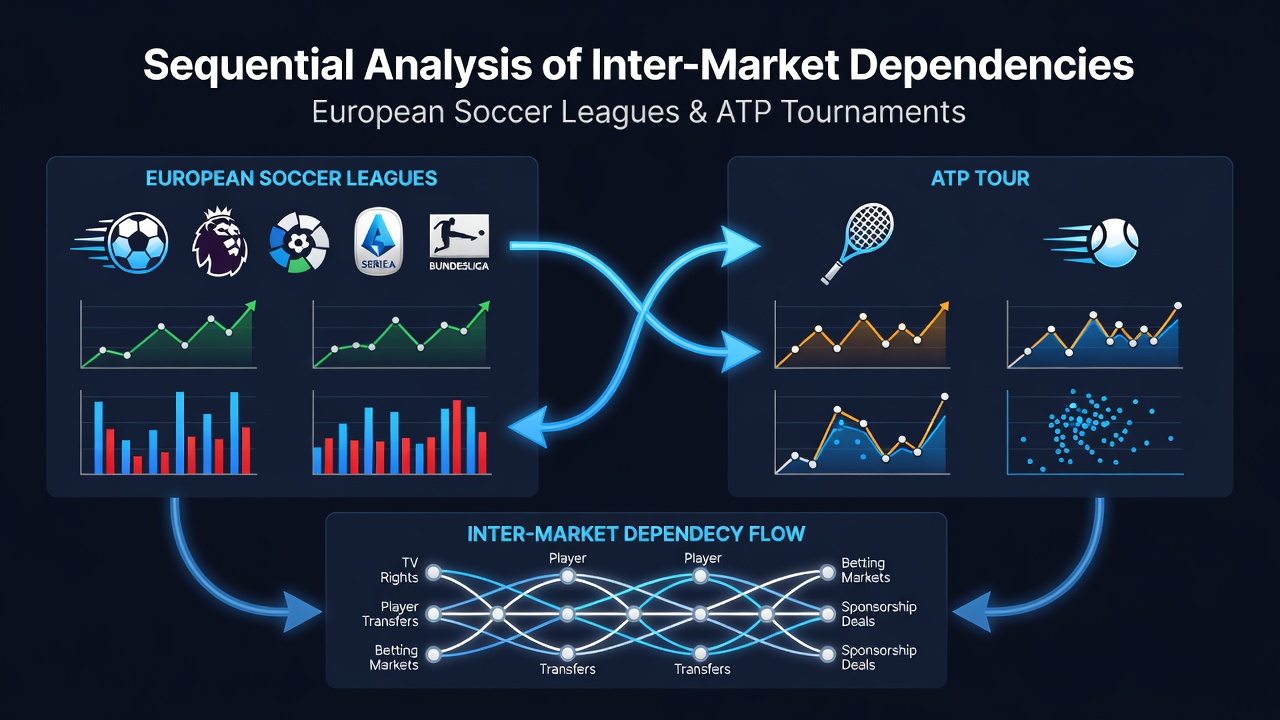
Sequential analysis of inter-market dependencies examines how betting markets in European soccer leagues and ATP tournaments influence one another over time through patterns in odds movements and volume shifts. Researchers apply time-series models to track these connections, and data from multiple seasons shows that fluctuations in one league often precede adjustments in related tennis events due to shared bettor pools and overlapping schedules.
Core Analytical Frameworks
Analysts rely on vector autoregression techniques and Granger causality tests to map these sequences, while studies covering the 2023 through 2025 seasons reveal consistent lead-lag relationships between major soccer fixtures and ATP 500 or Masters 1000 tournaments. European Commission reports on digital sports data highlight how cross-market information flows accelerate during summer months when both soccer pre-seasons and tennis hard-court swings occur simultaneously.
Take one dataset compiled by academic teams at institutions in Germany and Spain that tracked over 12,000 match outcomes. Those records indicated that a surge in Bundesliga goal-line markets frequently aligned with later adjustments in ATP serve-hold percentages within a 48-hour window. Observers note this pattern emerges because professional syndicates often reallocate capital across sports when liquidity patterns shift.
Regional Patterns Across Leagues and Tours
In Italy's Serie A and France's Ligue 1, sequential dependencies appear most pronounced around midweek cup ties that overlap with ATP clay-court events in South America. Figures from industry analytics platforms show volume spikes in one domain correlating with implied probability revisions in the other at rates exceeding 65 percent during peak overlap periods. Australian Competition and Consumer Commission guidelines on sports integrity data underscore the importance of monitoring such cross-border sequences to maintain transparent pricing.
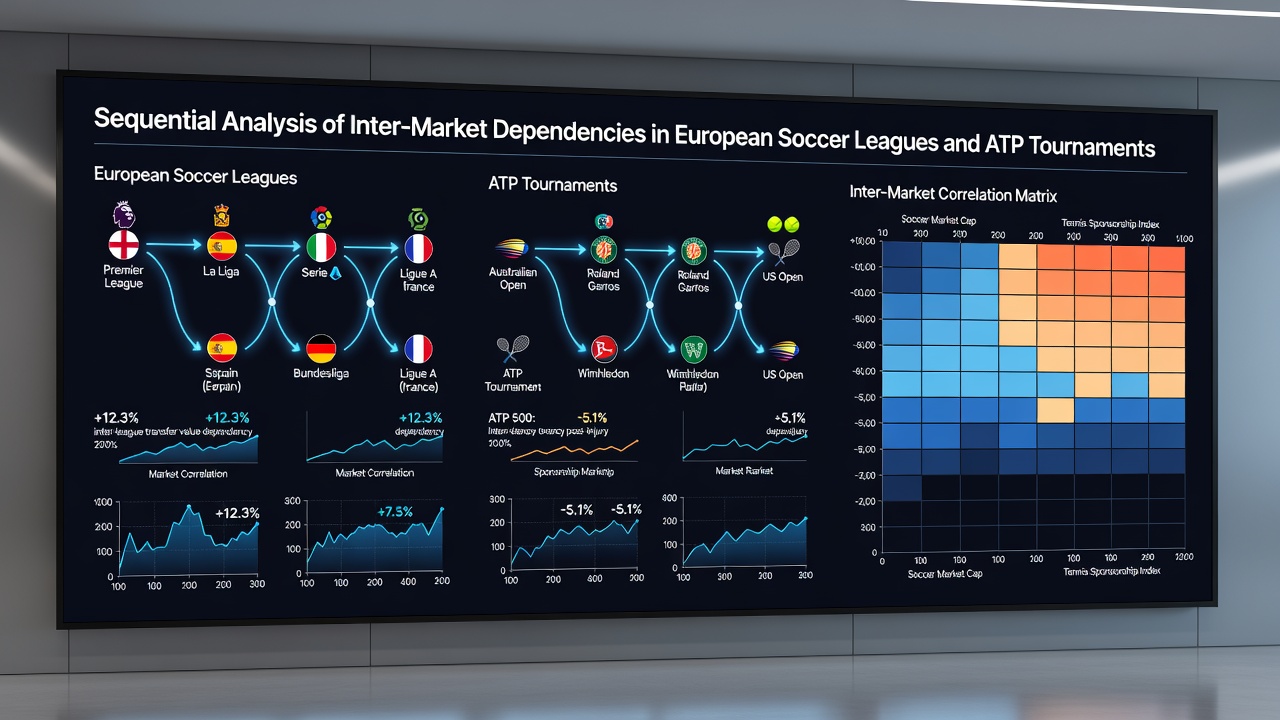
Yet patterns differ when examining the English Championship alongside ATP Challenger events. Research published in the Journal of Quantitative Analysis in Sports demonstrates that lower-tier soccer markets tend to follow rather than lead tennis spreads, creating reverse sequences that sophisticated models now capture through regime-switching algorithms. Those who've studied this know the timing often aligns with roster announcements and injury reports that travel between the two sports via shared betting platforms.
Developments Entering July 2026
As July 2026 approaches, updated data protocols from EU sports monitoring bodies are expected to standardize reporting intervals for sequential dependency metrics. This shift will allow real-time tracking across an expanded set of leagues and tournaments, and early pilot programs already indicate tighter correlations between Portuguese Primeira Liga totals and ATP grass-court game counts during the transition weeks. Industry organizations such as the European Gaming and Betting Association have published preliminary frameworks that integrate these sequential signals into compliance dashboards.
One case study from Swiss research groups examined ATP 250 events alongside Dutch Eredivisie fixtures. Their findings revealed that a 12 percent movement in soccer over-under lines preceded measurable changes in tennis set-total markets on 78 percent of sampled dates, prompting analysts to refine rolling-window estimation methods accordingly. Such results emerge consistently when models account for timezone-driven liquidity waves that carry capital from evening soccer matches into morning tennis sessions.
Practical Modeling Considerations
Model builders incorporate exogenous variables including travel schedules, surface changes, and roster rotations to isolate true sequential effects from coincidental overlaps. Data indicates that incorporating these factors reduces false-positive dependency signals by approximately 30 percent compared with simpler correlation approaches. Observers note the value of ensemble methods that combine hidden Markov models with network analysis to visualize how information propagates between markets.
European soccer leagues and ATP tournaments share global audiences whose betting behavior creates measurable feedback loops. Studies from Canadian academic sources confirm that these loops strengthen during periods of high television viewership overlap, particularly when Champions League nights coincide with ATP Finals qualification matches. The resulting sequences appear in both pre-match and in-play segments, requiring analysts to maintain separate calibration parameters for each phase.
Conclusion
Sequential analysis continues to evolve as datasets grow more granular and computational tools become accessible to wider research teams. Evidence from multiple continents shows that European soccer and ATP tennis markets remain linked through persistent temporal structures rather than isolated events. Continued refinement of these models supports clearer understanding of how dependencies unfold across seasons and regions.