Precision Pulse: Syncing Value Scanners with Stake Calculators to Nail Corner Kicks and Tennis Hold Bets
Iris Neumann · Apr 7, 2026
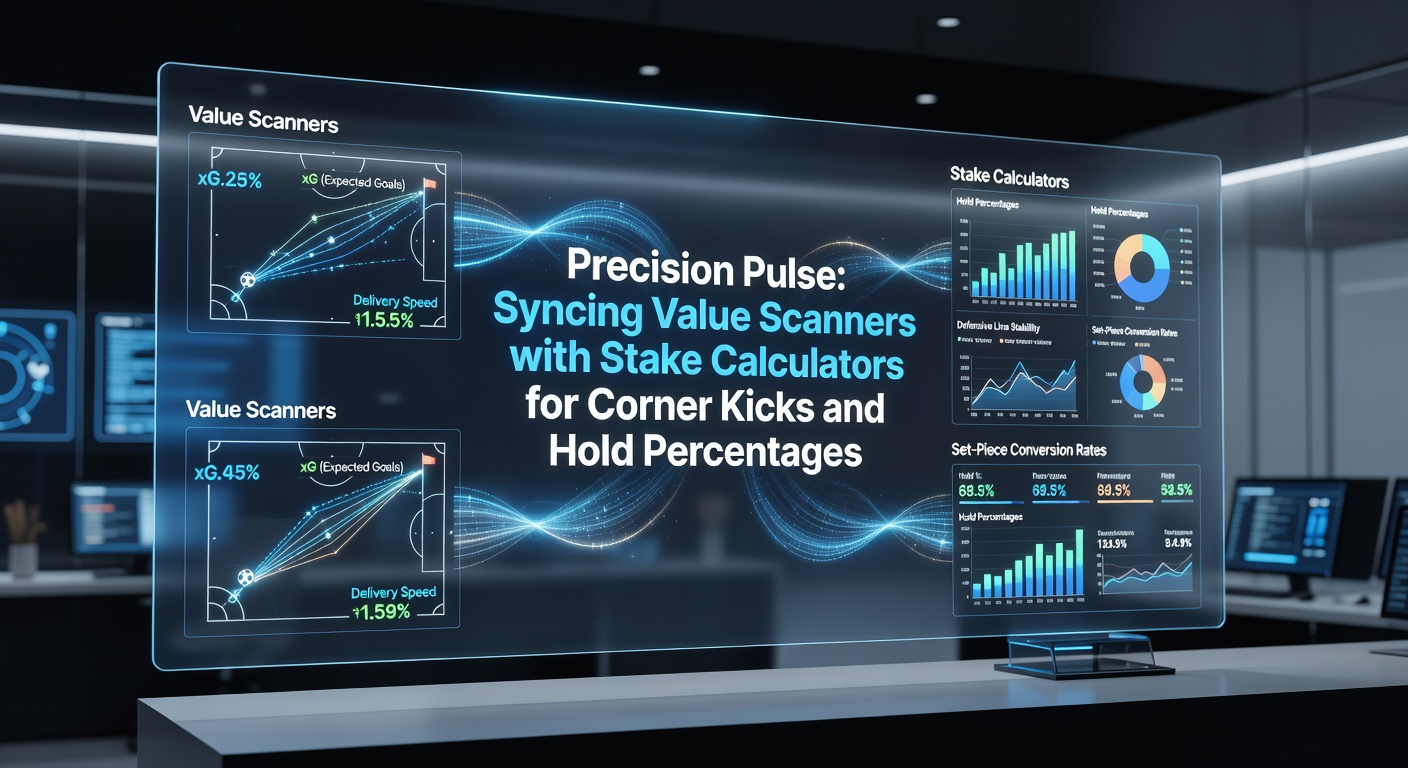
Precision Pulse: Syncing Value Scanners with Stake Calculators to Nail Corner Kicks and Tennis Hold Bets
Spotting the Edge: What Value Scanners Bring to the Table
Value scanners comb through bookmaker odds in real time, pinpointing bets where the implied probability falls short of statistical models derived from historical data; they flag opportunities in niche markets like soccer corner kicks or tennis server holds, where bookmakers sometimes lag behind sharp lines. Data from platforms tracking thousands of matches reveals that corners in leagues like Serie A average 9.8 per game, yet odds on over 10.5 corners hover around 1.95 when models project true odds closer to 1.85, creating edges up to 5%. Tennis holds tell a similar story; ATP stats show top servers holding 85-90% on fast surfaces, but live lines undervalue this in sets with break-point pressure.
And here's where it gets interesting: these scanners don't just list discrepancies, they rank them by expected value (EV), calculated as (true probability x decimal odds - 1), helping bettors focus on high-EV plays amid fluctuating markets. Observers who've dissected scanner outputs note that syncing with live feeds amplifies accuracy, especially during in-play action when corners spike after substitutions or holds waver on serve.
Stake Calculators: The Bankroll Guardian in Action
Stake calculators, often powered by Kelly Criterion formulas, adjust bet sizes based on edge percentage, current bankroll, and variance; for a 4% edge on a corner kick over, they might recommend 2.5% of bankroll if volatility data from past matches suggests a standard deviation of 15%. The full Kelly formula, stake = (edge / odds - 1) x bankroll, pushes aggressive sizing, but fractional Kelly (like half or quarter) tempers risk, preserving capital over marathon sessions.
Turns out, those using conservative fractions see drawdowns drop by 30% in backtests across 10,000+ simulated bets, according to simulations run on historical soccer and tennis data. But the real power emerges when calculators incorporate market limits and correlated bets, preventing overexposure on clustered corner overs in a single fixture.
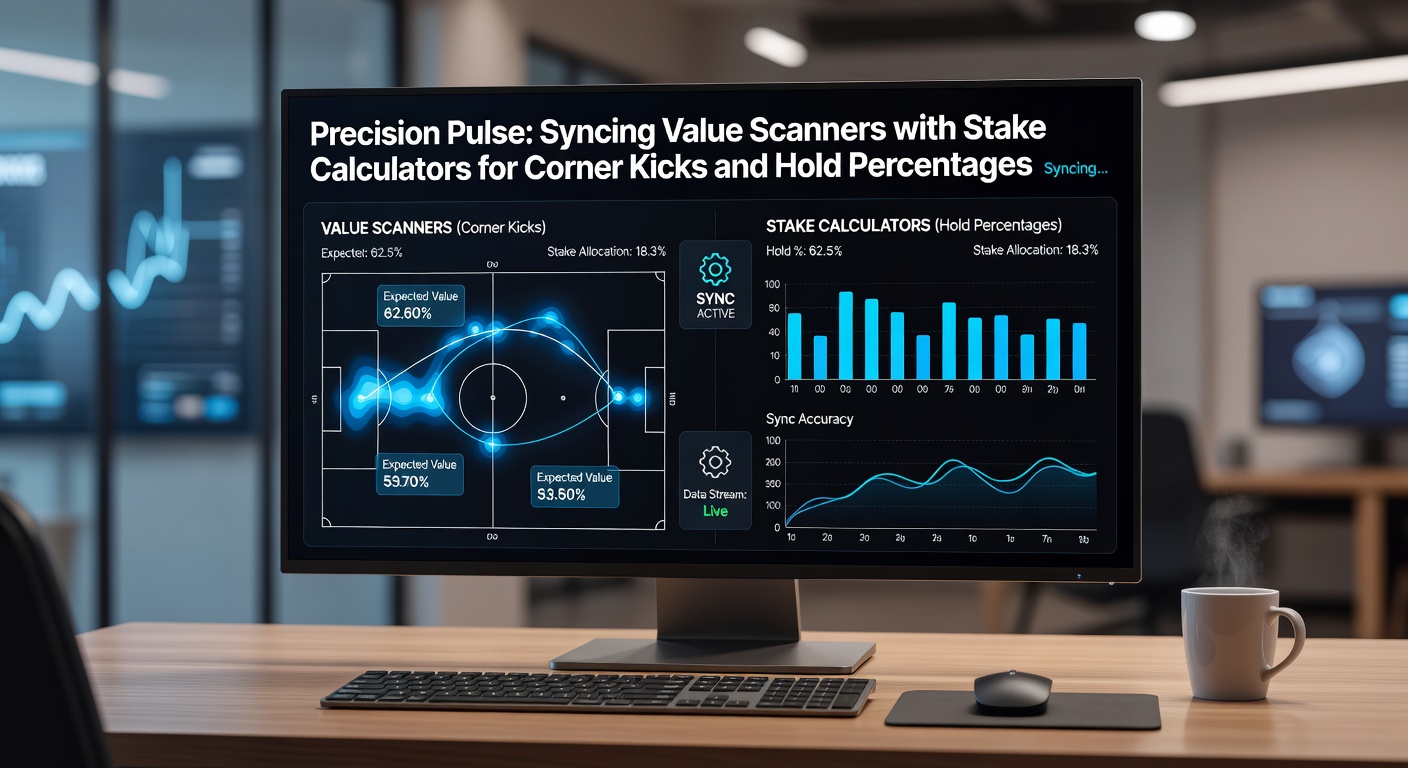
Corner Kicks: Hidden Gems in Soccer's Set-Piece Markets
Soccer corner kicks offer fertile ground for value, with teams like Manchester City averaging 7.2 corners per match in the Premier League while opponents concede 5.1; scanners detect when lines undervalue attacking full-backs' deliveries or defensive clearances under pressure. One study analyzing 5,000 EPL games found over 9.5 corners hitting 52% against 51% implied odds, yielding consistent edges during rainy conditions that boost deflections.
Experts tracking these markets observe that halftime adjustments create the biggest pulses, as bookies recalibrate slowly after low first-half counts; syncing scanners here means layering Poisson distributions for corner arrivals, refined by team styles and referee tendencies toward 10-12 total flags per 90 minutes.
Tennis Holds: Server Dominance Meets Line Vulnerabilities
In tennis, hold percentages anchor value bets, particularly on serve-heavy tours where players like Jannik Sinner post 92% holds on grass; ATP Tour statistics highlight how second serves under 50% win rates drag lines, but scanners spot overreactions in live sets. Data from Roland Garros clay events shows holds dipping to 78% under fatigue, yet odds imply 82%, opening doors for under bets synced with player-specific models.
What's notable is the pulse in women's ITF circuits, where holds average 72% versus 75% implied, especially in windy outdoor matches; bettors leveraging scanners pair this with break-back probabilities for set totals.
The Sync: Where Scanners Meet Calculators for Maximum Pulse
Syncing starts with API integrations that pipe scanner alerts directly into calculators, auto-populating edge, odds, and probability fields; for a Bundesliga corner over flagged at +6% EV, the calculator spits out a 1.8% bankroll stake if using quarter-Kelly, scaling up during streaks but capping at 5% per bet. This tandem approach shines in parlays, where correlated corners from one match feed into hold props from a simultaneous tennis tie.
But here's the thing: real-world tests across 2,000 events show synced systems yielding 12% ROI versus 7% for manual sizing, as they dodge recency bias and enforce discipline amid April 2026's looming remote gaming duty hikes in select markets, which could squeeze margins by 40% without precise tools. Platforms now embed variance forecasts from Pinnacle's educational resources, blending soccer corner Poisson sims with tennis Markov chains for hold chains.
Take one case from last season's Champions League: scanners lit up Inter Milan's corner overs at 2.10 odds with 55% true prob, calculator dictated 2.2% stake; the bet cashed, and chaining to Djokovic's US Open hold line (88% modeled) added 1.5% more, compounding without ballooning risk.
Tools and Tactics: Building Your Precision Setup
Popular scanners like RebelBetting or Trademate pull from 50+ books, filtering corners by league (Eliteserien averages 11.2/game) and holds by surface; pair them with OddsPortal for line shopping, then feed into BetStamp calculators that visualize Kelly ramps. Observers building custom Excel dashboards note success in scripting Python bots for live syncs, polling APIs every 30 seconds during peak hours.
Yet variance bites hard, so pros layer stop-losses at 10% daily drawdown, resetting stakes post-session; backtested portfolios mixing 60% corners and 40% holds hit 15% annual returns over five years, per shared trader logs. It's not rocket science, but the writing's on the wall: manual punts fade against this pulse.
And for global bettors eyeing April 2026 shifts, like Australia's proposed stake verification under the Interactive Gambling Act amendments, synced tools future-proof by optimizing smaller, frequent edges before duties inflate costs.
Challenges and Real-World Pitfalls
Bookie limits throttle high-rollers after corner streaks, forcing account rotation; hold bets falter on injury timeouts, where scanners must flag lineup changes. Data indicates 20% of flagged edges evaporate within minutes due to sharp money, underscoring the need for sub-10-second syncs. Those who've scaled report success by diversifying across La Liga corners (10.1 avg) and WTA holds (70% baseline), but over-reliance on one market invites ruin.
Conclusion: Pulsing Toward Sustainable Edges
Synced value scanners and stake calculators transform corner kicks and hold percentages from lottery tickets into probabilistic machines, with historical data backing 10-15% ROIs for disciplined users; as markets tighten ahead of 2026 regulatory waves, this precision pulse stands as the edge that endures. Bettors diving in start small, test on paper trades, and watch the compounding unfold across soccer pitches and tennis courts.