Integrating Real-Time Feeds and Custom Benchmarks Across Athletic Competition Markets
Wendy Wagner · Aug 19, 2026
Integrating Real-Time Feeds and Custom Benchmarks Across Athletic Competition Markets
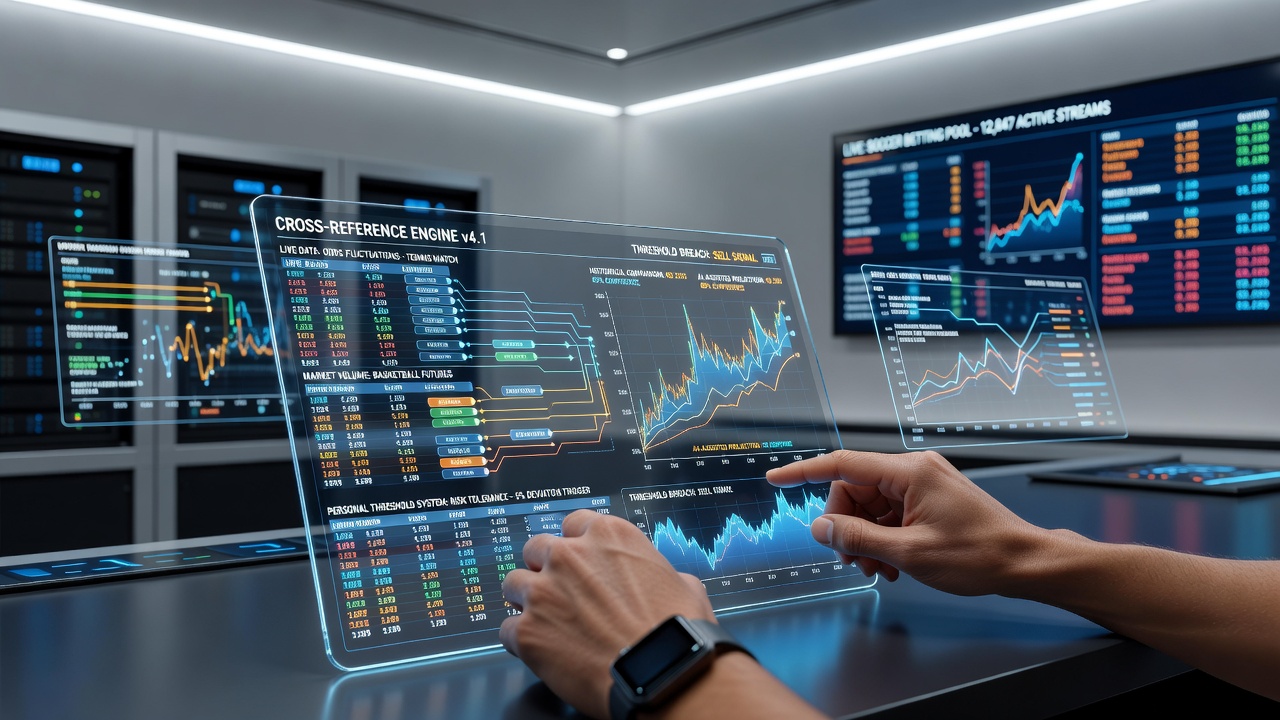
Systems that pull continuous information from athletic events and match it against individual criteria have become central to how participants interact with sports markets around the world. These setups combine incoming statistics on player performance, team metrics, and market movements with rules that users define in advance, such as minimum return thresholds or risk parameters, so that alerts or automated actions trigger only when conditions align.
Core Components of Live Data Integration
Live data streams originate from multiple sources including official league feeds, third-party tracking companies, and exchange platforms that update odds in real time. Researchers at institutions like the University of Nevada Las Vegas have documented how these feeds deliver granular details on events such as ball possession changes or serve percentages within seconds of occurrence, creating the raw material for cross-referencing. Personal threshold systems sit on top of this flow and apply filters that users set according to their own models, whether those involve expected value calculations or exposure limits tied to specific competitions like Bundesliga fixtures or Grand Slam matches.
Cross-referencing occurs through application programming interfaces that normalize incoming packets and compare them against stored criteria. One study from the American Gaming Association highlighted how such matching reduces latency between data arrival and decision points, allowing thresholds to activate within defined windows during live play. In practice this means a system might scan for deviations in expected goal rates during a Premier League half while simultaneously checking against a pre-set benchmark for acceptable variance in that market.
Threshold Configuration and Market Applications
Users configure thresholds around variables such as implied probabilities, historical averages, and current liquidity levels. Data shows these configurations often incorporate multiple layers, for instance requiring both a statistical edge above a baseline and confirmation from a secondary metric like player fatigue indicators. Observers note that this layered approach appears in markets covering tennis sets or football corners, where thresholds adjust dynamically as new information arrives from the event itself.
Examples from Different Regions
In European competitions operators have reported increased use of these mechanics during August 2026 schedules, when fixture congestion heightens the volume of live updates. Australian regulatory bodies, including the Australian Communications and Media Authority, have tracked similar patterns in local sports wagering platforms that link real-time serve and rally data to user-defined hold percentages. Canadian provincial oversight groups have likewise examined how such systems handle cross-border data flows for events like NHL games, ensuring thresholds remain consistent across fluctuating odds.
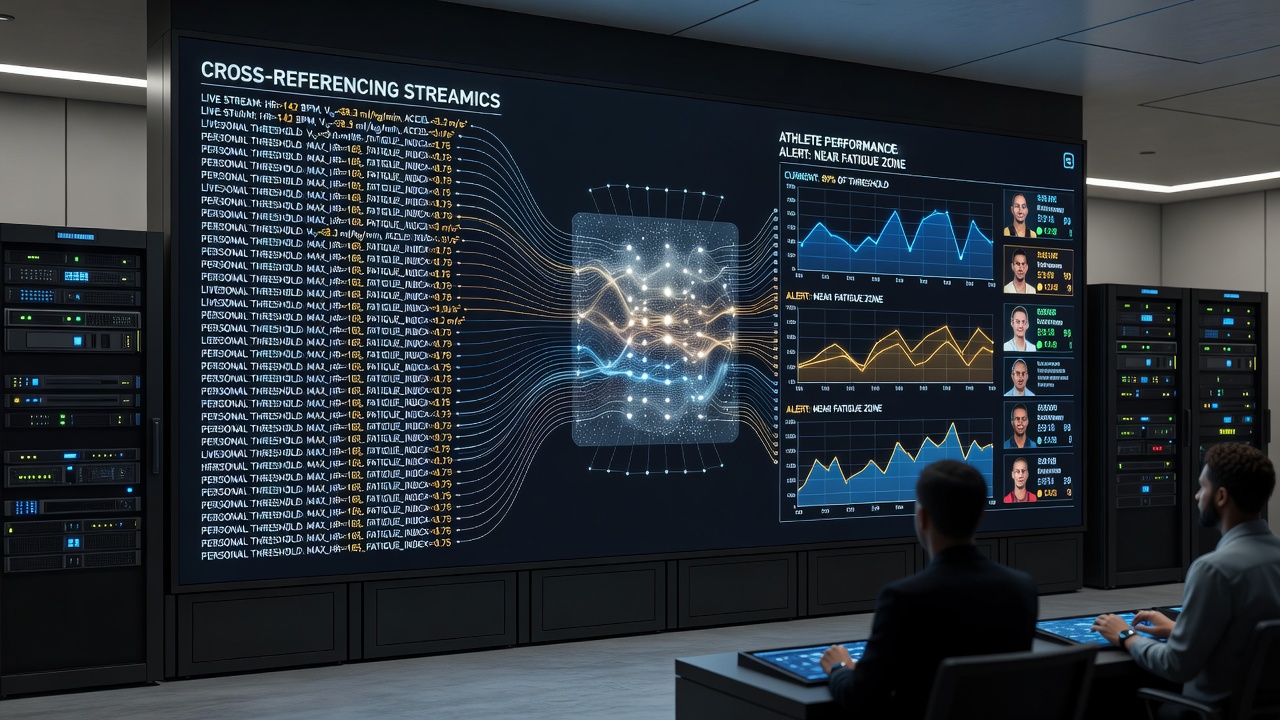
Academic papers from research teams at Stanford University have examined the computational load required to maintain these comparisons across thousands of simultaneous streams. Their findings indicate that efficient indexing and event-driven triggers keep processing times low enough for markets that move quickly, such as in-play tennis totals or football goal lines. Industry reports from the European Gaming adn Betting Association further describe how standardized data schemas introduced in recent years have simplified the task of aligning disparate feeds with custom rulesets.
Technical Challenges and Solutions
Latency remains a persistent factor because even brief delays can shift whether a threshold activates before market prices adjust. Solutions include edge computing nodes placed near major data centers and redundant verification layers that cross-check primary feeds against backup sources. Those who manage large-scale implementations often prioritize protocols that compress packets without losing critical fields like timestamp accuracy or player identification codes.
Security considerations also enter the picture when personal thresholds connect to account-level controls. Systems must isolate user-defined rules from broader market data to prevent leakage while still allowing rapid comparison. Reports from the Nevada Gaming Control Board detail audit processes that verify these separations remain intact during high-volume periods such as major international tournaments.
Future Developments Expected by Late 2026
Advancements in machine learning models continue to refine how thresholds adapt without manual intervention. These models analyze patterns across historical streams and suggest adjustments based on emerging correlations in specific leagues or surfaces. By August 2026 several platforms anticipate rolling out enhanced versions that incorporate multi-sport portfolio views, allowing thresholds set for football to interact with those established for tennis within a single framework.
Standardization efforts led by international sports federations aim to expand the types of data available in live feeds, potentially including biometric signals or environmental factors that influence performance metrics. Such expansions would require corresponding updates to threshold logic so that new variables integrate cleanly into existing comparison engines.
Conclusion
The mechanics of connecting continuous data streams to individualized benchmarks continue to evolve as technology and market structures develop in parallel. Observers track these changes through regulatory filings, academic studies, and platform announcements that reveal incremental improvements in speed, accuracy, and scope. Participants who rely on these systems gain access to structured decision frameworks grounded in the constant flow of athletic information.