Integrating Notification Frameworks with Distribution Models for Volatility Management in Continental Team Leagues and Racquet Events
Yves Hughes · Jul 12, 2026
Integrating Notification Frameworks with Distribution Models for Volatility Management in Continental Team Leagues and Racquet Events
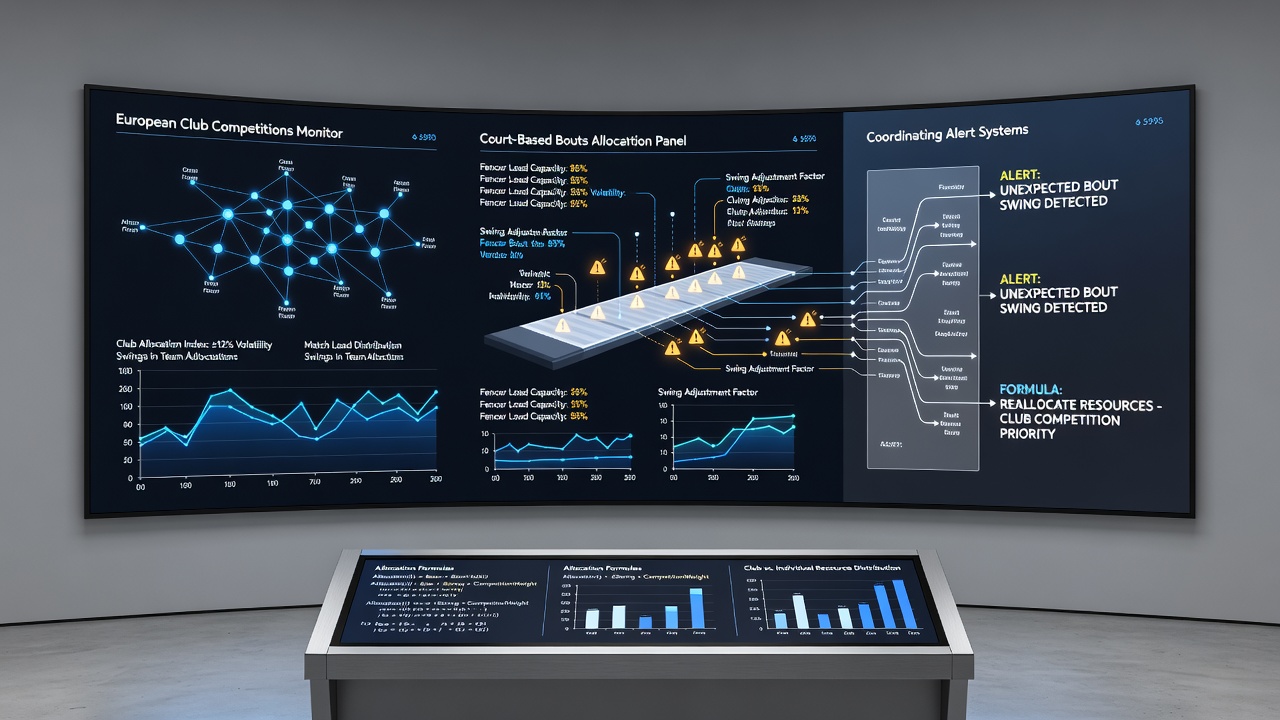
European club competitions and court-based individual bouts generate substantial data streams that require coordinated alert systems paired with allocation formulas, and observers note how these tools address performance swings across seasons. Data from major tournaments shows that goal tallies in leagues like the Bundesliga and point sequences in ATP events fluctuate in patterns that automated notifications can flag in real time while stake distributions adjust accordingly.
Core Components of Alert Coordination
Alert systems draw from live feeds provided by leagues and federations, and they trigger when metrics such as expected goals or serve percentages deviate beyond set thresholds. Researchers at institutions like the University of Loughborough have documented how multi-source integration reduces response delays during matches in the Champions League and Grand Slam events. Formulas then receive these alerts as inputs and recalculate exposure levels based on current volatility indices.
Operators configure these frameworks to monitor both team-based fixtures and singles encounters simultaneously, which allows cross-sport synchronization when schedules overlap during peak periods. Evidence from industry reports indicates that unified dashboards improve consistency because operators receive consolidated signals rather than fragmented updates from separate platforms.
Allocation Formulas and Swing Handling
Allocation models typically incorporate variables including historical variance, current form indicators, and liquidity measures from betting markets. Studies published in the Journal of Sports Analytics demonstrate that dynamic formulas recalibrate stakes after each alert, which maintains proportional exposure when swings occur in either football goal lines or tennis game totals. These calculations run continuously, and they scale positions up or down according to predefined risk bands.
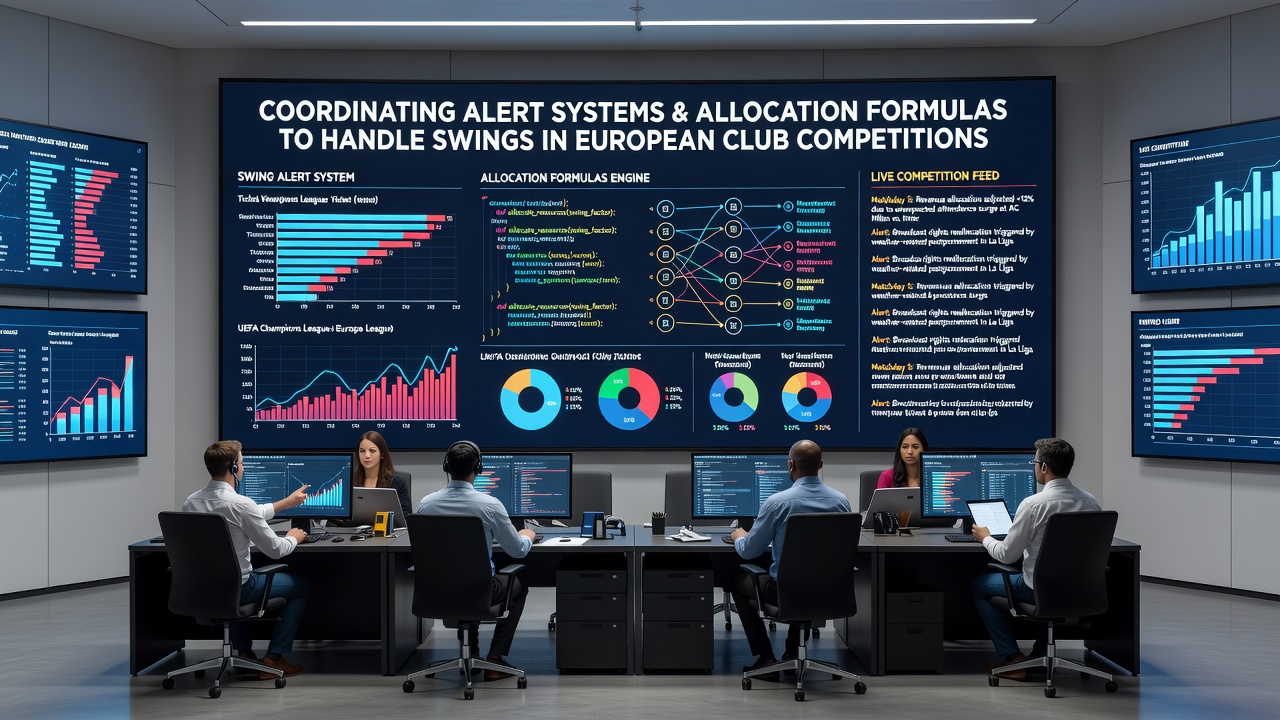
One documented approach segments alerts into categories such as early-match deviations and late-stage momentum shifts, and each category maps to a corresponding adjustment multiplier. Data collected across multiple seasons reveals that this segmentation helps stabilize overall portfolio variance because resources shift toward higher-confidence opportunities identified by the alert layer.
Implementation Across Sports
Football club competitions feature extended timelines with multiple fixtures per week, whereas tennis bouts unfold over shorter, more concentrated intervals. Allocation formulas adapt to these differences by applying sport-specific weighting factors, and alert systems incorporate tailored thresholds for each format. Figures from European sports bodies show increased adoption of such hybrid setups as schedules intensify around major events.
Operators often test these systems during transitional periods, and July 2026 marks a notable window when several continental calendars align with summer tournaments. Coordination protocols established in advance allow seamless transitions between league phases and individual events without manual intervention in the alert pipeline.
Technical Integration Points
API connections between data providers and internal platforms form the backbone of these setups, and they transmit standardized packets that include timestamped metrics. Allocation engines parse these packets through algorithmic layers that output revised stake recommendations within seconds. Observers note that redundancy built into the notification layer prevents single-point failures during high-volume periods such as Champions League knockout rounds or ATP finals weeks.
Validation routines run in parallel to confirm that formula outputs align with live conditions, and discrepancies trigger secondary alerts for review. Research from Canadian universities on similar systems highlights how these checks maintain accuracy across varied competition structures.
Conclusion
Coordinated alert systems combined with allocation formulas provide structured responses to swings observed in European club competitions and court-based individual bouts. Available data indicates measurable improvements in consistency when these elements operate together, and ongoing refinements continue as new data sources emerge from leagues and tournaments worldwide.