Integrating Linked Analytics Streams for Timing Refinements in Simultaneous Soccer Matches and Tennis Matches
Iris Neumann · Jun 10, 2026
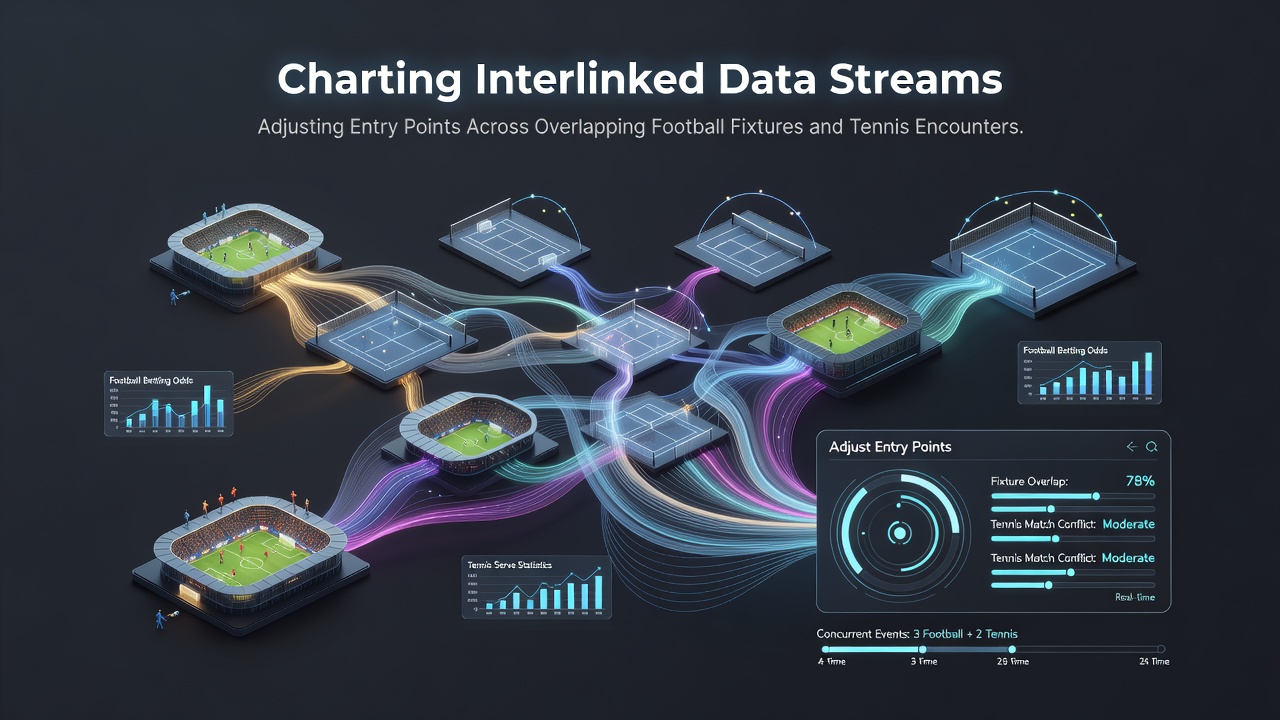
Integrating Linked Analytics Streams for Timing Refinements in Simultaneous Soccer Matches and Tennis Matches
Analysts in sports data fields examine ways to connect multiple information sources when football fixtures and tennis encounters occur at the same time, and these overlaps create opportunities for refined entry timing based on live metrics from both sports.
Understanding Data Connections in Overlapping Schedules
Football matches generate streams of statistics on possession rates, shot attempts, and player movements while tennis encounters produce parallel data on serve percentages, rally lengths, and point outcomes, and researchers combine these feeds through unified platforms to identify moments when conditions align across both events. Data from European leagues and Grand Slam tournaments shows that simultaneous scheduling happens frequently during summer months, with June 2026 featuring several international club competitions alongside major tennis circuits that increase the frequency of such overlaps.
Methods for Charting Interlinked Streams
Teams build mapping systems that pull real-time inputs from official match trackers and broadcast overlays, then apply algorithms to synchronize timestamps across events, and this process allows adjustments to entry points when one sport shows momentum shifts that correlate with patterns in the other. Studies from sports science departments at universities in Australia indicate that such integrated charting reduces timing errors by linking goal probability models with break point forecasts, whereas separate analysis often misses cross-sport signals that emerge during concurrent play.
Adjusting Entry Points Through Combined Metrics
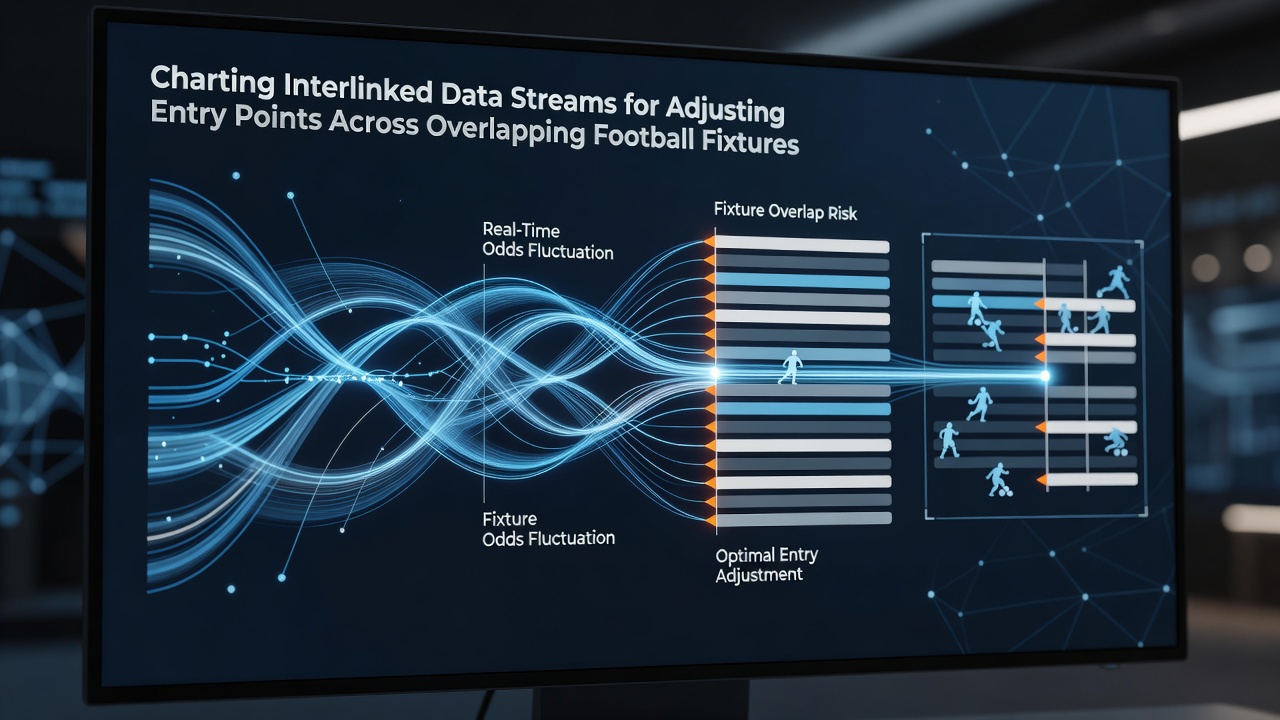
Entry adjustments rely on thresholds derived from historical datasets where football corner accumulations align with tennis set swings, and practitioners monitor these thresholds to shift positions as new data arrives from both streams simultaneously. Observers note that tools incorporating weather variables for outdoor tennis alongside pitch conditions for football create more precise calibration points, especially when events span different time zones yet share overlapping broadcast windows.
Case Examples from Recent Seasons
One documented instance involved a European league weekend coinciding with a clay court tournament where analysts tracked interlinked streams to adjust entries around halftime and set changes, and figures from industry reports published by the European Gaming and Betting Association reveal that coordinated approaches captured additional value compared to isolated monitoring. Another example from North American college sports highlighted how basketball tournament overlaps with tennis events prompted similar data fusion techniques, though the core principles transfer directly to football and tennis pairings.
Technical Considerations for Stream Integration
Platforms must handle varying data velocities since football events update every few seconds while tennis points arrive in bursts, and developers address this by using buffering protocols that maintain alignment without introducing delays that could affect entry decisions. Research papers from Canadian academic centers on sports informatics demonstrate that API connections between league databases and tournament scoring systems enable these integrations, while security protocols protect the combined datasets during transmission.
Regulatory Context in 2026
Changes scheduled for mid-2026 in several jurisdictions require operators to document data sourcing methods for any automated decision systems, and these requirements apply equally to tools that chart interlinked streams across football and tennis, prompting updates to compliance frameworks by June of that year. Authorities in Australia and parts of the European Union have outlined similar reporting standards that emphasize transparency in how overlapping event data influences adjustments.
Future Developments in Analytics Tools
Advances in machine learning models continue to refine the accuracy of cross-sport correlations, with ongoing trials testing predictive layers that anticipate entry windows based on emerging patterns from both football and tennis streams at once. Industry organizations track these developments through collaborative reports that compare outcomes across different regions and competition types.
Conclusion
Charting interlinked data streams provides structured methods for adjusting entry points during overlapping football fixtures and tennis encounters, and continued refinement of these techniques draws from expanding datasets and evolving technical capabilities in sports analytics.