Coordinating Diverse Data Platforms for Efficient Allocation Across Soccer and Tennis Operations
Iris Neumann · Jun 3, 2026
Coordinating Diverse Data Platforms for Efficient Allocation Across Soccer and Tennis Operations
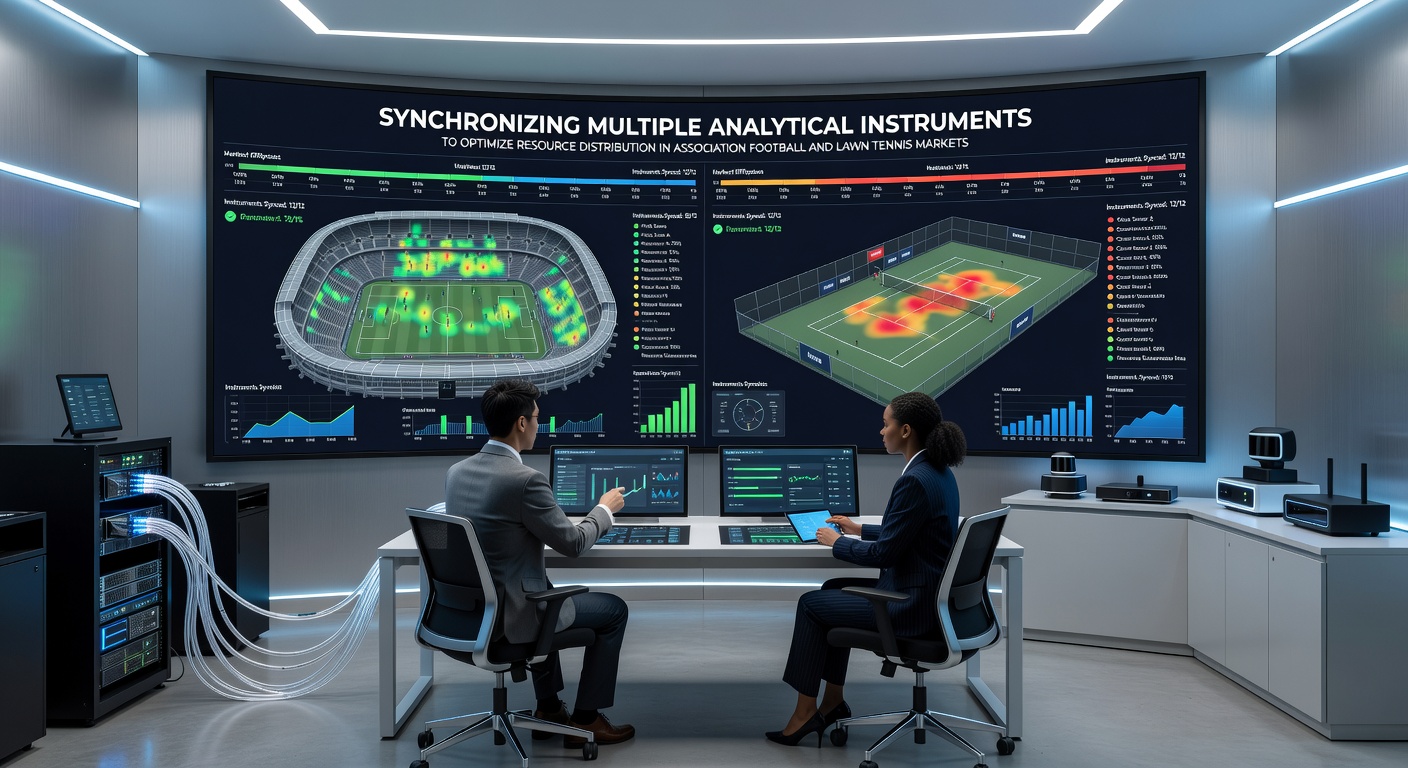
Coordinating multiple analytical instruments allows organizations in association football and lawn tennis to align data streams from sensors, video systems, and statistical models so that training hours, equipment budgets, and scouting personnel reach the areas of greatest impact. Data from wearable devices, court-side cameras, and match-event logs flow into centralized dashboards where algorithms assign priority scores to each resource category, and teams adjust schedules accordingly.
Core Components of Analytical Synchronization
Modern setups combine GPS trackers that record player movement with high-speed video analysis tools that break down stroke mechanics and defensive positioning. Statistical software then processes these inputs alongside financial models that track expenditure on travel, medical staff, and facility maintenance. When these platforms exchange information through standardized APIs, discrepancies between planned and actual resource use drop noticeably because each department receives real-time updates rather than waiting for weekly reports.
Researchers at several European sports institutes have documented how unified data environments reduce redundant scouting trips by flagging overlapping player profiles before travel arrangements are finalized. The same systems flag underutilized recovery equipment by comparing usage logs against injury-risk predictions generated from workload data, allowing clubs to reassign physiotherapists without increasing overall payroll.
Implementation Patterns Observed in 2025-2026 Seasons
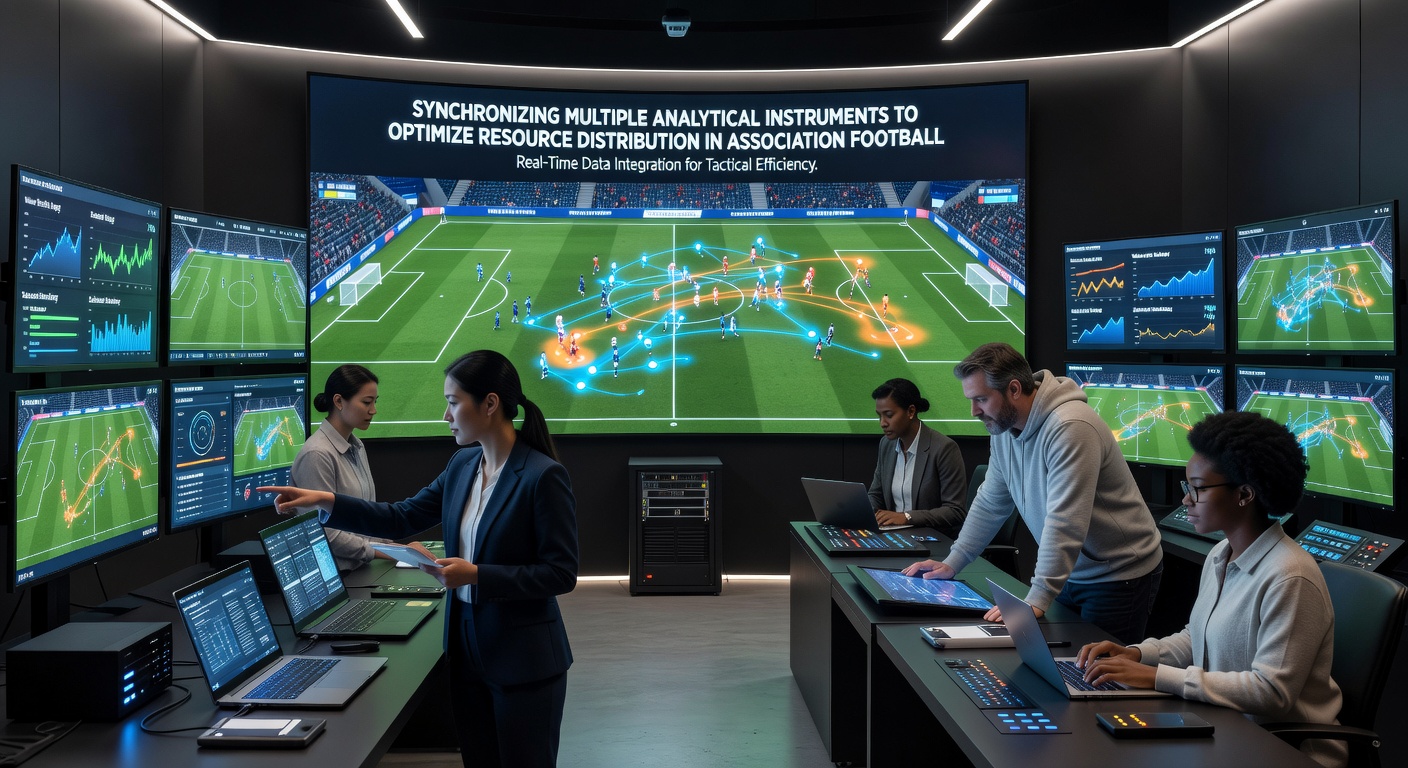
By June 2026 several top-division clubs and professional tennis academies had completed multi-year rollouts of synchronized platforms. One documented case involved a Bundesliga side that linked its match-analysis suite directly to its budget-forecasting module, resulting in a measurable shift of training-ground resources toward set-piece drills after the system identified those situations as the highest-value area for additional coaching time.
In tennis, governing bodies such as Tennis Australia have supported pilot programs that merge Hawk-Eye ball-tracking data with player-recovery metrics collected through smart court surfaces. The combined dataset informs decisions on court booking schedules and medical-staff deployment during multi-week swing tournaments, and early figures show a reduction in last-minute venue changes.
Observers note that synchronization does not require every instrument to operate inside a single vendor ecosystem. Middleware solutions developed by university research groups permit legacy video systems to feed structured data into newer machine-learning environments, preserving earlier capital investments while expanding analytical scope.
Resource Distribution Outcomes Across Markets
Organizations that maintain synchronized platforms report clearer allocation of scouting budgets between domestic leagues and international tournaments. Automated alerts highlight when projected travel costs for a tennis player exceed expected ranking-point gains, prompting coaches to substitute lower-cost domestic events. Similar logic applies in football when transfer-market valuations are cross-referenced with performance-prediction models, allowing clubs to redirect funds toward youth-academy upgrades instead of marginal senior signings.
Industry reports compiled by the European Sports Data Consortium indicate that federations adopting integrated analytics have shortened the time between identifying a resource shortfall and implementing a corrective action by an average of 18 days. These improvements stem from automated dashboards rather than manual spreadsheet reconciliation.
Technical Considerations for Cross-Sport Deployment
Football and tennis differ in match duration, playing surfaces, and data granularity, yet both benefit from common data-exchange standards such as those promoted by the Olympic Studies Centre. When organizations map their instruments to these standards, they gain the ability to benchmark resource-use patterns against peer institutions without revealing proprietary tactical information.
Hardware calibration remains essential. Sensor drift in GPS units or inconsistencies in ball-tracking calibration can propagate errors through the entire decision chain, so maintenance protocols now include weekly cross-checks between instruments rather than monthly spot checks.
Conclusion
Coordinated analytical platforms give football clubs and tennis organizations a practical mechanism for directing finite resources toward the highest-impact activities. Continued refinement of data-exchange protocols and calibration routines will determine how widely these efficiency gains extend through both markets in the seasons ahead.