Adaptive Modular Designs Connecting Prospect Spotting to Asset Defense Strategies
Wendy Wagner · May 31, 2026

Adaptive Modular Designs Connecting Prospect Spotting to Asset Defense Strategies
Modular frameworks in sports wagering bring together separate components that handle prospect identification and capital defense as coordinated units rather than isolated steps, and analysts track how these pieces interact across football leagues, tennis circuits, and other markets throughout the calendar year. Each module addresses one function, such as odds evaluation or stake calibration, while data flows between them to maintain overall balance. Observers note that this structure allows operators and individual bettors to adjust one element without disrupting the entire operation, and recent platform updates in early 2026 demonstrated how such flexibility supports ongoing market participation.
Core Modules and Their Interactions
One module focuses on scanning lines for discrepancies between offered odds and calculated probabilities, pulling real-time feeds from multiple bookmakers while another calculates expected value based on historical performance metrics. A third module applies position-sizing rules that scale stakes according to current bankroll levels and predefined risk thresholds, and these elements exchange outputs continuously so that an identified opportunity triggers an automatic review of available resources before any wager proceeds. Researchers have documented how chaining these functions reduces manual intervention and limits exposure during volatile periods such as major tournaments.
Additional modules incorporate live monitoring that tracks line movement after initial placement, allowing rebalancing when odds shift beyond set parameters, whereas simulation tools run scenario projections that test capital outcomes under varying win rates. Data from European sports analytics groups indicates that operators using integrated modules reported steadier equity curves compared with single-function approaches during the 2025 season, and similar patterns appeared in North American markets following regulatory expansions.
Implementation Patterns Observed in 2026
By May 2026 several commercial platforms had released updated toolkits that let users toggle individual modules on or off depending on the sport or competition phase, and one widely adopted configuration combined a value scanner with a dynamic staking calculator that enforced fractional Kelly criteria adjusted for recent drawdowns. Those configurations processed thousands of matches weekly across the Norwegian Eliteserien, Brazilian Serie B, and ATP Challenger events, feeding results back into performance logs that refined future thresholds. Industry reports from the Responsible Gambling Council of Canada highlight that such modular access supports both recreational and professional users by separating discovery tasks from preservation controls.
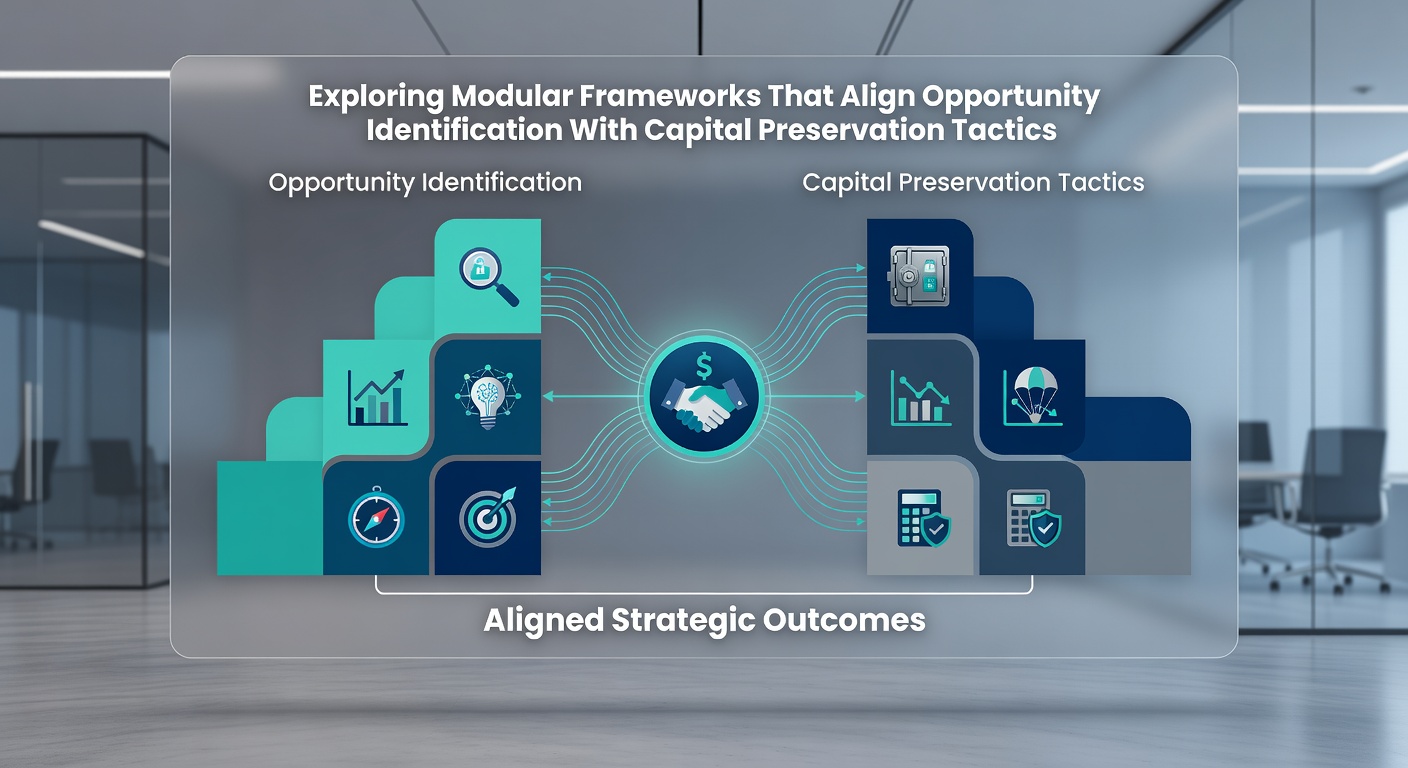
Users connect these systems to external data providers through APIs, enabling custom filters that isolate corners in lower-tier football or service-hold percentages in tennis, while capital-preservation layers apply stop-loss triggers that pause activity once daily or weekly limits are reached. Studies released by the National Opinion Research Center at the University of Chicago found that participants employing layered controls experienced lower variance in monthly returns, and the same research noted increased retention when modules could be calibrated individually rather than applied uniformly.
Performance Tracking and Adjustment Cycles
Continuous logging forms another module that records every decision point, outcome, and capital change, producing reports that feed into periodic recalibration routines. Analysts compare realized returns against projected values across different stake sizes and market types, then adjust parameters within the opportunity or preservation modules accordingly. This feedback loop operates on weekly or bi-weekly cycles, and data collected during the spring 2026 swing showed measurable improvements in identification accuracy when recalibration drew directly from logged module interactions rather than external benchmarks alone.
Geographic variations appear in how frameworks are deployed, with Australian operators emphasizing regulatory-compliant reporting modules that export anonymized activity summaries to oversight bodies, while certain Asian platforms prioritize rapid module swapping to accommodate fast-changing local leagues. In each case the underlying architecture remains the same: independent yet linked components that together address both growth opportunities and downside protection.
Conclusion
Modular frameworks continue to evolve as data sources expand and computational tools become more accessible, and their adoption across regions demonstrates consistent structural advantages in aligning prospect detection with capital safeguards. Future iterations will likely incorporate additional sensor modules for emerging markets and refined simulation engines, yet the core principle of separable, interoperable units is expected to remain central to system design.